






















U.S. Proposes Economic Zone in Eastern Ukraine Amid Ongoing Conflict Negotiations
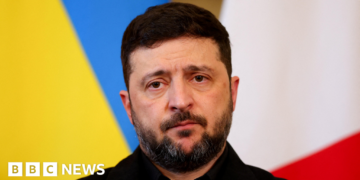
The United States has suggested that Ukraine withdraw from parts of the eastern Donetsk region, with the potential establishment of a “special economic zone” in territories currently under Ukrainian control, according to Ukrainian President Volodymyr Zelensky. This proposal comes as Zelensky navigates a complex set of negotiations aimed at achieving peace in a conflict that continues to bear heavy humanitarian costs.
Why It Matters
As the war enters a prolonged phase, the stakes surrounding the negotiations have grown significantly. Zelensky’s outlined concerns reflect not only a desire for territorial integrity but also a strategic interest in preventing future aggression from Russia. The implications of U.S. involvement and its evolving diplomatic stance could greatly influence the current and future geopolitical landscape in the region.
Key Developments
- Ukraine has submitted an updated 20-point proposal to the U.S., along with documents concerning security guarantees and reconstruction.
- Zelensky highlighted unresolved issues, primarily regarding territory and the Zaporizhzhia nuclear power plant, while emphasizing the need for mutual withdrawal of forces in any agreement.
- The U.S. appears to favor a rapid conclusion to hostilities, though there is no set deadline for reaching an agreement.
- Russia demands that Ukraine relinquish control of approximately 30% of the eastern Donetsk region, a request that Ukraine firmly opposes.
- The ongoing conflict has generated widespread aerial attacks on Ukrainian regions, exacerbating the urgency for a ceasefire.
Full Report
Negotiation Landscape
President Zelensky stated that the latest U.S. proposal includes Ukraine withdrawing from certain areas of Donetsk, while Russia would agree not to advance into those territories. This arrangement would transform the area into a “special economic zone” or possibly a “demilitarized zone.” However, Zelensky expressed skepticism about the feasibility of such a plan, as he pointed out that unilateral withdrawal could put Ukraine at a disadvantage.
Zelensky emphasized serious concerns about Russia’s potential to use the agreement to infiltrate Ukraine under the guise of civilian life, questioning the efficacy of any such demilitarization. He made clear that while he was open to the possibility of holding elections or a referendum to involve the Ukrainian populace, the ongoing violence would likely dictate the negotiation outcomes.
Control of Zaporizhzhia
The management of the Zaporizhzhia nuclear power plant, which has been under Russian control since March 2022, remains a contentious point. Zelensky indicated that a potential solution could involve mutual control of the plant between Ukraine and the U.S., though he recognized that Moscow may not be amenable to such arrangements.
U.S. Frustrations and Security Guarantees
Reports indicate that U.S. President Donald Trump is becoming increasingly frustrated with the complex dynamics of the negotiations. There is growing anxiety in Kyiv that Washington may seek to impose a solution favorable to Russia. Zelensky reported receiving a draft proposal for American security guarantees, yet he viewed it as insufficient to allay Ukraine’s concerns, particularly as the U.S. has made it clear it does not support Ukraine joining NATO.
Russian Response
Russian Foreign Minister Sergei Lavrov has publicly praised U.S. efforts to mediate, asserting that a recent meeting between President Vladimir Putin and U.S. envoy Steve Witkoff helped clear misunderstandings. While Lavrov offered assurances regarding proposed security guarantees to NATO and EU countries, skepticism remains, particularly given past violations of ceasefire agreements by Russia.
Context & Previous Events
In recent weeks, diplomatic efforts involving the U.S., Ukraine, Russia, and European leaders have seen multiple peace plans circulated, revised, and reviewed. Zelensky’s acknowledgment of the complex nature of the negotiations reflects a broader context of shifting alliances and interests that underpin the ongoing conflict.