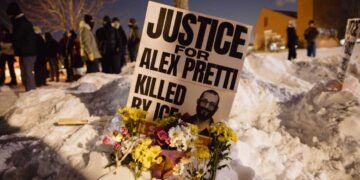























U.S. Border Patrol Shooting Escalates Tensions in Minneapolis
A tragic incident in Minneapolis has sparked outrage and demand for accountability following the fatal shooting of 37-year-old nursing professional Alex Pretti by a federal Border Patrol agent. The confrontation, which unfolded during an immigration enforcement operation, raises significant questions about the use of excessive force and the integrity of federal investigations in local communities.
Why It Matters
This incident is emblematic of growing tensions between federal immigration enforcement entities and local communities. With escalating violence and claims of a systemic disregard for civil rights, residents are increasingly concerned about public safety and the role of federal agencies operating within their cities. The shooting adds to the spotlight on immigration policy and police practices, particularly regarding how enforcement is conducted in urban areas.
Key Developments
- A federal judge issued a temporary restraining order preventing Homeland Security from tampering with evidence related to Pretti’s death.
- Local officials criticize federal agents for blocking access to the crime scene, raising concerns over the impartiality of the investigation.
- Eyewitness accounts suggest Pretti was unarmed and compliant at the time he was shot.
- Community vigils and protests have emerged throughout Minneapolis in response to the incident, reflecting widespread anger and grief.
Full Report
Incident Details
Alex Pretti, an intensive care nurse and U.S. citizen, was shot and killed Saturday morning during a confrontation with immigration officers. Multiple bystanders captured videos and provided testimony countering government claims that Pretti posed a threat. Witnesses assert that Pretti had only a cell phone in his hand while attempting to assist another individual.
Despite these assertions, officials from the Department of Homeland Security (DHS) characterized the situation as one in which Pretti, allegedly labeled a "domestic terrorist," interrupted an operation and placed agents in danger. Deputy U.S. Attorney General Todd Blanche defended the actions of the officers involved, framing their decision to open fire as a split-second reaction to a chaotic situation.
Local and National Reactions
The shooting has reignited local dissatisfaction with federal law enforcement practices. Minnesota Governor Tim Walz expressed distrust in the ability of federal authorities to conduct a fair investigation, stating that the state will document evidence for future prosecution consideration. Minnesota Representative Kelly Morrison condemned the seeming justification of the officers’ actions and emphasized that the narrative proposed by officials does not align with the realities witnessed by the public.
Calls for a joint investigation have also emerged, even from Republican figures. U.S. Senator Bill Cassidy highlighted the urgent need to restore credibility to immigration enforcement practices amid growing public concerns.
Community Response
In the wake of Pretti’s death, community members gathered across Minneapolis for vigils, mourning and sharing their apprehensions over increasing federal presence in the city. Attendees voiced fears that anyone could be the next victim of escalated enforcement actions, culminating in calls for reform and justice.
Minneapolis Mayor Jacob Frey described the heightened presence of federal agents in the city as an "invasion," emphasizing that such measures erode trust in local law enforcement and democracy. As protests continue, the National Guard has been activated to assist local authorities in managing public safety amid rising tensions.
Context & Previous Events
This shooting in Minneapolis is the second involving immigration agents within the same month, raising alarms about state-sanctioned violence. Earlier incidents, including the fatal shooting of another local resident, have similarly prompted critiques of federal immigration policies under the Trump administration. The increased activity of federal agents serves to highlight ongoing conflicts regarding immigration enforcement and community safety.






