






















U.S. Eyes Venezuelan Oil Amid Political Upheaval
Donald Trump has asserted that the U.S. will take control of Venezuela until a government transition occurs, with plans to leverage the country’s vast oil reserves for international sales. This declaration comes on the heels of the reported capture of Venezuelan President Nicolas Maduro and his wife, setting off significant geopolitical and economic discussions.
Why It Matters
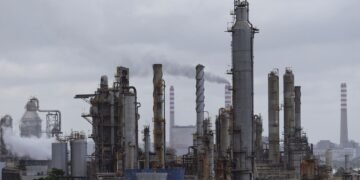
Access to Venezuela’s oil could be a lucrative opportunity for the U.S., particularly given the need for heavy crude to satisfy existing refinery capabilities. With Venezuela sitting on the world’s largest oil reserves, the stakes are high for American energy companies hoping to tap into this resource, despite challenges posed by current sanctions and a damaged oil infrastructure.
Key Developments
- Trump claimed that American oil companies would invest billions to refurbish Venezuela’s ailing infrastructure.
- He stated that U.S. occupation would be financially neutral, offsetting costs through revenue from oil production.
- Only Chevron is currently operating in Venezuela, as most U.S. energy firms remain silent on Trump’s statements.
- Analysts warn that revitalizing Venezuela’s oil production could take years and requires significant investment, likely in the tens of billions of dollars.
Full Report
Trump’s Statements
In recent remarks, Trump highlighted plans to "take back the oil" from Venezuela, insisting that American oil giants are prepared to invest in the country once political stability is restored. He emphasized that U.S. leadership would cover operation costs through the revenues generated from oil extracted in Venezuela, implying a self-funding occupation.
Industry Responses
While Chevron continues to operate cautiously in Venezuela, other major companies like ExxonMobil and ConocoPhillips have yet to clarify their stance on potential involvement. Chevron reiterated its commitment to employee safety and regulatory compliance in its ongoing operations.
Venezuela’s Oil Crisis
Despite boasting approximately 17% of global oil reserves—around 303 billion barrels—Venezuela’s production has plummeted from 3.5 million barrels per day in the 1970s to just over 1 million barrels last year. The U.S. used to be the primary buyer of Venezuelan oil, but it has since shifted to China as the main purchaser following sanctions.
Venezuela’s heavy oil, primarily located in the Orinoco region, poses significant production challenges but is technically straightforward to extract. However, due to corruption and underfunding, the country has been unable to maximize its reserves fully.
Context & Previous Events
The current U.S. embargo on Venezuelan oil has severely restricted economic engagement. The geopolitical landscape shifted dramatically after sanctions were enacted, limiting Western investment and operational support for the Venezuelan oil sector.