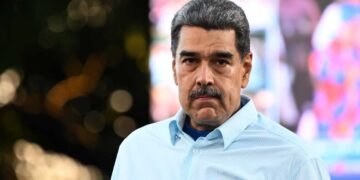























U.S. Charges Against Nicolás Maduro and Cilia Flores: A Turning Point in Venezuelan Politics
Venezuelan President Nicolás Maduro and his wife, Cilia Flores, are facing serious legal challenges in the United States, as President Trump confirmed early Saturday that they were captured in a U.S. operation in Caracas. The couple is implicated in multiple charges related to drug trafficking and narco-terrorism conspiracies, escalating the ongoing conflict between the U.S. and Venezuela significantly.
Why It Matters
The indictment against Maduro and Flores highlights not just the deteriorating relationship between the U.S. and Venezuela, but also amplifies concerns about drug trafficking and its global ramifications. The case potentially implicates numerous high-ranking Venezuelan officials, suggesting a significant degree of state involvement in illegal activities. As such, this situation could have broad implications for U.S. foreign policy and security measures against drug cartels.
Key Developments
- Nicolás Maduro and Cilia Flores are indicted for drug trafficking and conspiracies involving narco-terrorism.
- The U.S. Attorney General confirmed these charges via social media, indicating that justice will be served on American soil.
- The indictment alleges that Maduro has been involved in drug trafficking activities since 1999, in collaboration with international drug organizations.
- Earlier allegations from the first Trump administration suggest Maduro led the "Cartel de los Soles," a drug trafficking group involving high-ranking Venezuelan officials.
- In November 2025, the U.S. designated the Cartel de los Soles as a foreign terrorist organization.
Full Report
Arrest Details
Nicolás Maduro, along with his wife Cilia Flores, was reportedly taken into custody during a U.S.-conducted operation in Caracas. U.S. Attorney General Pam Bondi announced that they both face a range of serious allegations, indicating that they would soon face charges in American courts.
Recent Indictment
The latest indictment reiterates many charges previously levied against Maduro, linking him to the Cartel de los Soles, a group accused of utilizing state mechanisms to facilitate large-scale cocaine trafficking into the United States. The indictment specifies that Maduro allegedly collaborated with various drug trafficking organizations, including the infamous Sinaloa Cartel and Tren de Aragua, to manage substantial shipments of cocaine.
Implications for Governance
Amid the legal proceedings, the Venezuelan government is already being scrutinized for its alleged human rights violations. The International Criminal Court has been investigating claims of torture and arbitrary detentions within the Venezuelan state apparatus. This developing situation not only shines a light on the Maduro administration’s actions but also raises questions about governance and law enforcement in Venezuela.
Context & Previous Events
The current legal developments add to previous allegations made during the Trump administration. Back in March 2020, Maduro was indicted for his alleged role as the leader of the Cartel de los Soles. Prosecutors indicated that he collaborated with the Colombian guerrilla group FARC to abuse Venezuelan resources and people. In light of these previous accusations, the recent indictment signifies a continuation of increasing U.S. pressure on the Maduro regime and the broader Venezuelan government.
This situation remains fluid, and additional updates are expected as proceedings unfold.






