






















Venezuelan Political Prisoner Releases Raise Questions Amid International Attention
The son of a jailed Venezuelan opposition leader has warned President Donald Trump to remain wary of the country’s government, as only a fraction of promised political prisoner releases have occurred. This caution comes amidst confusion over the Venezuelan government’s commitment to freeing detainees held for political reasons.
Why It Matters
The release of political prisoners in Venezuela has become a focal point in U.S.-Venezuelan relations, especially following the recent removal of President Nicolás Maduro from power. The low number of confirmed releases raises concerns about the sincerity of the Venezuelan government’s intentions and its willingness to engage meaningfully with international demands for reform and human rights.
Key Developments
- Only about 40 political prisoners have been confirmed released out of over 800 reported detainees.
- President Trump expressed gratitude to Venezuelan authorities for initiating the release process.
- High-profile opposition figures, including a human rights lawyer, have been reported among the released prisoners.
- Family members of detained individuals express frustration and concern over the lack of transparency in the release process.
Full Report
Limited Releases Prompt Warnings
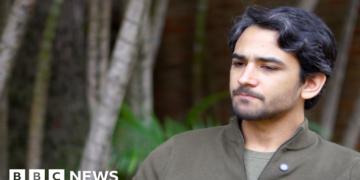
Ramón Guanipa, whose father Juan Pablo Guanipa is a prominent opposition figure detained since May 2025, voiced his concerns to the media regarding Trump’s optimism about the release efforts. Guanipa pointed out that only a small number of prisoners had actually been freed, urging the president not to be misled by the government’s assurances.
“I want to tell President Trump that he must not be fooled and [should] keep pressure on these guys,” shared Ramón Guanipa, emphasizing the importance of continued U.S. involvement. While he acknowledged Trump’s efforts, he underscored that “this is not going alright” given the reality of the situation.
Government’s Claims and Family Despair
The Venezuelan government announced plans to release an “important number” of political prisoners as a “goodwill gesture,” following major developments including the arrest of President Maduro in New York on drug trafficking charges. However, family members like Carmen Farfán, whose son José Gregorio Reyes was arrested, have reported being in the dark about the whereabouts and conditions of their loved ones, intensifying the sense of hopelessness among detainee families.
“We hope they tell us where they are keeping them. We are desperate,” stated Farfán, highlighting the emotional toll the uncertainty has taken on families. As relatives gather outside El Helicoide, Venezuela’s infamous prison, hope mingles with frustration over the gradual pace of the promised releases.
Reactions and Context
Despite the releases of several prominent opposition figures, critics remain skeptical about the interim government’s true intentions. Human rights groups contend that the Venezuelan authorities are still employing detentions as a means to silence dissent. The limited scope of the release has sparked doubts about the government’s commitment to reform and cooperation with the United States.
Context & Previous Events
In January, an operation led to the arrest of Nicolás Maduro in Caracas, with the U.S. refusing to recognize him as the legitimate leader following a disputed 2024 presidential election criticized by the UN for lacking transparency. Juan Pablo Guanipa faced accusations of terrorism and treason after challenging the election results and was subsequently detained by security forces.
The government’s declaration to release political prisoners came just after Trump’s comments regarding the closure of El Helicoide, originally intended as a shopping center but now notorious for political repression.