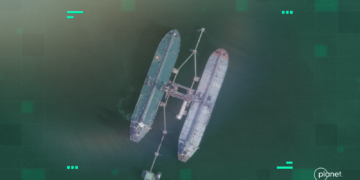























US Seizes Oil Tanker Off Venezuelan Coast in Unprecedented Operation
The US Coast Guard has successfully seized an oil tanker, identified as Skipper, off the coast of Venezuela, concluding years of efforts by the ship to evade detection. The operation, executed with precision from helicopters dispatched from the USS Gerald R. Ford, reflects heightened American military vigilance in a region known for its involvement in illegal oil trafficking.
Why It Matters
This seizure underscores the increasing U.S. pressure on Venezuela and its government, which has faced extensive sanctions. As part of a broader strategy to combat illicit oil shipments that bolster financially sanctioned regimes, the successful operation against Skipper signifies a stern warning to other vessels attempting to exploit loopholes in maritime regulations.
Key Developments
- The tanker Skipper was on a clandestine journey, regularly changing names, flags, and disappearing from tracking systems.
- U.S. officials noted that Skipper has been linked to transporting nearly 13 million barrels of oil from sanctioned countries, primarily Iran and Venezuela.
- In November 2022, Skipper was added to the U.S. Treasury’s sanctions list but continued operations undeterred.
- On December 6, after departing from the Jose Oil Export Terminal loaded with crude oil, Skipper was intercepted approximately 70 miles offshore.
- The tanker employed a technique known as “spoofing” to misrepresent its location, leading authorities to believe it was operating farther away from its actual position.
- The operation signals increased military focus in the region, with a significant U.S. naval presence aimed at countering drug trafficking and illegal oil shipments.
Full Report
Operational Details
American coast guard teams executed the seizure with helicopters from the USS Gerald R. Ford, an aircraft carrier stationed nearby. The operation was marked by the swift descent of armed personnel onto the tanker, marking an escalation in U.S. actions in the region.
History of Deception
Skipper has adopted various tactics to remain undetected, including the illegal manipulation of its Automatic Identification System (AIS) signals to project a false location. This particular method of “spoofing” allowed the vessel to operate under the guise of being in Guyanese waters while it was actually navigating closer to U.S. maritime boundaries.
Wider Implications
The seizure of Skipper represents a meaningful shift in the U.S. approach to maritime sanctions enforcement. Historically, illegal tanker operations have continued largely unchecked despite existing sanctions. Experts believe that this event may signal to other vessels engaged in similar activities that the U.S. is now more prepared to take decisive action.
Context & Previous Events
Since being sanctioned in 2022, the tanker, previously known as Adisa, has remained a subject of U.S. scrutiny. Over the past two years, it has been documented transporting significant quantities of oil from both Iran and Venezuela. This event is part of a larger strategy employed by the Trump administration, aimed at exerting pressure on Nicolás Maduro’s regime and reducing illicit oil revenues that may fund further destabilization efforts in the region.
Analysis indicates that as of mid-December, there were approximately 30 sanctioned tankers still operating in Venezuelan waters, highlighting ongoing challenges in curtailing illicit maritime operations.