






















U.S. Military Conducts Unprecedented Operation to Capture Venezuelan President Maduro
The United States military executed a historic operation, Operation Absolute Resolve, successfully capturing Venezuelan President Nicolás Maduro. This intervention marks one of the most significant U.S. military actions in Latin America since the Cold War, raising questions about international norms and the future of U.S.-Venezuela relations.
Why It Matters
The capture of Maduro represents a major shift in U.S. foreign policy towards Latin America, highlighting a move toward direct military engagement in response to alleged drug trafficking and authoritarian rule. This event could reshape regional dynamics and challenge existing diplomatic protocols, prompting a swift backlash from multiple nations in Latin America.
Key Developments
- Operation Launch: On Friday night, President Trump authorized the operation, which had been in planning for months, including surveillance and practice entries at Maduro’s Caracas safehouse.
- Military Coordination: Over 150 aircraft, including bombers and reconnaissance planes, were deployed during the operation, which unfolded promptly at 22:46 EDT on Friday night.
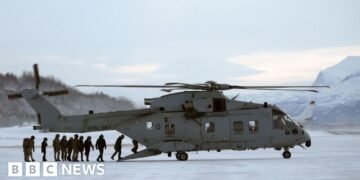
- Execution Details: Elite troops from the Delta Force entered Maduro’s fortified compound shortly after strikes began at 02:01 local time, meeting resistance but successfully taking Maduro and his wife into custody.
- Global Reactions: Immediate condemnation of the operation came from multiple regional powers, notably Brazil’s President Lula da Silva, who labeled the intervention as a dangerous precedent.
- Arrests and Charges: Maduro and his wife are now expected to face significant criminal charges in New York, having been transported there after their capture.
Full Report
Planning and Execution
For months, U.S. intelligence closely monitored Maduro’s activities, from his sleeping patterns to daily routines, culminating in the execution of a sophisticated military intervention. This operation was conducted with secrecy, without prior notification to Congress. General Dan Caine indicated that troops were prepared for action as they awaited optimal weather conditions before receiving the green light from the president.
Trump’s Involvement
President Trump, rather than observing from the White House, watched live footage of the operation from his Mar-a-Lago residence. He described the experience as “incredible” and noted the precision demonstrated by the military forces involved. Following the mission, he conveyed his praise to the troops and emphasized the complexity of the operation, which involved multiple aircraft and strategic maneuvers.
Revelation of Air Strikes
The initial strikes aimed to target military installations and disable air defenses around Caracas. According to sources, significant locations struck included Fuerte Tiuna, La Carlota airfield, and Port La Guaira, the main maritime access point for Caracas. Reports from witnesses described the chaotic scene of explosions and aircraft overhead as the military carried out the operation.
Capture of Maduro
Upon breaching Maduro’s fortified residence, U.S. troops encountered armed resistance, but their training and preparedness allowed them to secure Maduro and his wife swiftly. The operation concluded with their extraction, as helicopters departed Venezuelan airspace amidst tensions on the ground. General Caine mentioned that Maduro was fully aware of the U.S. military’s approach, reportedly attempting to escape to a secure location but failing to do so before entering custody.
Legislative Backlash
Democratic leaders expressed outrage over the military action being taken without congressional approval, framing it as an irresponsible decision with potentially far-reaching consequences. Secretary of State Marco Rubio later defended the move, suggesting that prior notification might have jeopardized the operation’s success.
Context & Previous Events
Prior to this intervention, the U.S. had accused Maduro of engaging in drug trafficking and narco-terrorism. This operation comes amid months of U.S. military build-up in the region, signaling an escalating commitment to countering what American officials perceive as threats posed by Maduro’s regime. The situation has been further complicated by rising tensions within the Americas and international critiques of U.S. foreign policy strategies.