






















Iranian Protests Intensify Amid Claims of Foreign Interference
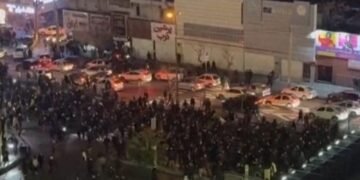
Recent protests in Iran have escalated, sparked by allegations from state media claiming that US and Israeli "terrorist agents" are inciting violence and unrest. The protests, which began in Tehran last month due to the plummeting value of the rial, have spread across all provinces, leading to widespread destruction and casualties.
Why It Matters
The protests represent a significant challenge to the Iranian government, showcasing public discontent in the wake of severe economic challenges. The involvement of foreign states, as claimed by Iranian authorities, may further complicate international relations and fuel ongoing tensions between Iran and the West.
Key Developments
- Iranian state media reported that protest-related violence resulted in fires set to vehicles and public transport systems, with casualties confirmed.
- The US-based Human Rights Activist News Agency has recorded at least 34 deaths among protesters and four security personnel, alongside 2,200 reported arrests.
- Demonstrations intensified last Thursday following a call to action from exiled Crown Prince Reza Pahlavi.
- Internet access and phone lines were reportedly cut shortly after the protests began, affecting communication among demonstrators.
- Crown Prince Pahlavi urged the Iranian populace to unite and voice their demands, warning that international scrutiny of the situation is heightened.
Full Report
Unrest Reported Across Iran
In a brief mention on state television, Iranian media labeled the violence as the work of "terrorist agents" funded or assisted by the US and Israel. The protests are characterized by fervent demonstrations that have seen citizens set fire to personal vehicles, motorcycles, and public property, including metros and fire trucks. This has resulted in injuries and losses, registering alarm within the state apparatus.
Call to Action from Exiled Leadership
Following the call from the exiled Crown Prince Reza Pahlavi, large-scale demonstrations erupted. He implored Iranians to demonstrate peacefully, emphasizing solidarity in their demands and asserting that global attention is focused on their plight. "The eyes of the world are upon you," he stated, underscoring the potential repercussions for the Iranian leadership should they resort to suppression.
Government Response and Control Measures
As protests gained momentum, government authorities responded with significant communication blackouts, reportedly cutting off internet access and restricting phone lines to control the situation. This move has drawn extensive criticism and raised concerns over human rights violations amid the unrest.
Context & Previous Events
The protests began in Tehran in response to a drastic decrease in the rial’s value, igniting public outcry over economic woes. Following the Islamic Revolution in 1979, Crown Prince Reza Pahlavi’s father fled Iran, leaving a lingering legacy of division and opposition to the current regime. The ongoing protests highlight a broader dissatisfaction with economic conditions and governance in the country, which continues to resonate deeply with many Iranians.