






















Classic Works from 1930 to Enter Public Domain in 2026
A significant shift in copyright law will occur when numerous iconic works from 1930 enter the public domain on January 1, 2026. This transition will allow for unfettered access to these creations, providing opportunities for new adaptations and enhancing cultural availability.
Why It Matters
As these classic works, including literature, films, and artworks, become available to the public, they promise to reinvigorate creative expression and educational resources. This newly accessible material can inspire innovative adaptations while also decreasing barriers to learning and artistic exploration.
Key Developments
- Thousands of works from 1930 will enter the public domain in 2026, including films, books, and music.
- Prominent entries include:
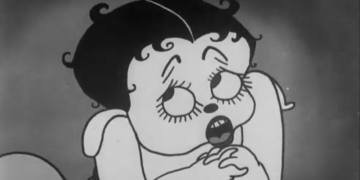
- Betty Boop’s original version and the first depiction of Disney’s Pluto.
- Notable literary works such as William Faulkner’s As I Lay Dying and Agatha Christie’s The Murder at the Vicarage.
- Films like All Quiet on the Western Front and Animal Crackers featuring early performances by stars like Bing Crosby and Greta Garbo.
- Iconic musical compositions like "Georgia on My Mind" and works by Ira and George Gershwin.
- Significant artworks, such as Piet Mondrian’s "Composition with Red, Blue and Yellow."
- The list of entering works predates the Hays Code, allowing for freedom in adaptation without prior constraints related to film content.
Full Report
Expanding Creative Opportunities
Jennifer Jenkins, who leads Duke University’s Center for the Study of the Public Domain, expresses enthusiasm about the 2026 list, calling it her favorite collection of entries so far. Jenkins highlights the rich history of animation present in characters like Betty Boop and Disney’s early Pluto, noting how they reflect the evolution of cartoon artistry.
With the removal of copyright barriers, independent creators can explore fresh interpretations—like a monetarily free adaptation of Betty Boop’s character. Jenkins points out that this opens the door for diverse and unconventional narratives, including a planned horror film featuring the beloved character.
Literary and Cinematic Contributions
The literary arena is similarly enriched, with classics like The Maltese Falcon and Hammett’s thrilling narratives becoming widely accessible again for readers and publishers alike. This moment in copyright history underscores the continuity of cultural discourse as society revisits these seminal works that shaped modern storytelling.
The film inventory aptly captures a variety of genres, showcasing the creativity of directors like Alfred Hitchcock and Howard Hughes while marking the debut performances of future stars in pivotal roles.
Beneficial for Education and Accessibility
The movement into the public domain not only fosters creativity but also enhances educational resources. Jenkins emphasizes the importance for educators, who can utilize these previously copyrighted materials without financial constraints, offering students valuable insights into historical expressions and artistic development. As titles emerge from obscurity, they’ve the potential to resurrect cultural conversations and preserve artistic heritage.
Context & Previous Events
The copyright law allowing works to enter public domain has long been critical for cultural evolution. This year’s influx is particularly noteworthy as it arrives before the Hays Code era, serving as a reminder of the artistic freedom that creators once enjoyed. Prior works that became available have similarly invigorated art, literature, and film, leading to new expressions inspired by established legacies.
As the clock strikes midnight on January 1, 2026, the creative landscape will transform, welcoming these classic pieces into the public sphere to inspire future generations.






