






















Controversial Curriculum at University of Illinois Sparks Debate on Educational Bias
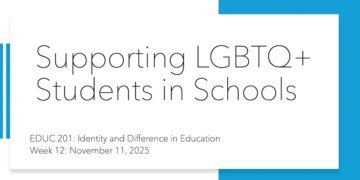
In a recent revelation, PowerPoint slides from the University of Illinois Urbana-Champaign’s introductory education course have reportedly raised concerns regarding a perceived liberal bias in the curriculum. The course, titled "Identity and Difference in Education," is said to instruct future educators on viewing their students through lenses of racial and sexual identity, which has led to intense debate over educational inclusivity versus ideological indoctrination.
Why It Matters
The implications of the curriculum at a major educational institution may extend beyond classroom walls, igniting discussions around the ideological frameworks that shape teacher training. As educators play a critical role in shaping young minds, the focus and content of their training raises significant questions about the nature of education and whether it prioritizes diverse perspectives or promotes a specific agenda.
Key Developments
- A student whistleblower shared multiple PowerPoint presentations from the class taught by professor Gabriel Rodriguez, citing a strong political slant.
- The curriculum emphasizes themes of identity politics, racial and gender equity, and LGBTQ+ advocacy, suggesting a distinct framework for future educators.
- A specific slide admits that education inherently involves political elements, challenging the notion of neutrality in teaching.
- The course materials cite various organizations and research that uphold left-leaning viewpoints regarding LGBTQ+ rights and educational practices.
- A student critic expressed concerns about the impact of presenting complex gender identities to young children.
Full Report
Controversial Course Content
The material from the EDUC 201 course reveals an explicit focus on political issues, with several presentation slides highlighting current debates around LGBTQ+ rights and racial identity. One slide states, "Remember: Schools are a part of a larger political system," signaling the instructor’s view that education cannot be separated from political discourse. This perspective is echoed throughout the slides, which also quote various activist groups and advocate for progressive teaching methods.
Focus on LGBTQ+ Issues
The presentations discuss the increased challenges facing LGBTQ+ students in educational settings, referencing the American Civil Liberties Union and the National Education Association. One slide raised alarm by claiming that current legislation poses a significant threat to LGBTQ+ rights, citing reports from liberal media outlets. The slides highlight the importance of allyship and the encouragement of preferred pronouns in communication between educators and students.
Racial Identity Discussions
The course also examines racial identity, with slides encouraging future teachers to explore concepts such as privilege and systemic equity. Questions posed in the curriculum challenge students to reflect on their identities and how these intersect with their teaching practices. This approach has been met with skepticism from some students, who argue that it promotes divisive narratives rather than fostering a unified learning environment.
Student Critique
One student pointed out that the course promotes ideologies that, in their view, may harm students rather than help them. Citing discomfort with teaching concepts like "gender assigned at birth," the student articulated a belief that such teachings can mislead young children and may not align with their developmental understanding. “To tell little kids who don’t know much about the world that they could be born in the wrong body is just wrong,” the student said.
University’s Position
In response to the outcry regarding the curriculum, a spokesperson for the University of Illinois highlighted the institution’s commitment to complying with federal and state nondiscrimination laws. They explained that the course aims to examine how identity and power influence educational equity, noting, "Understanding differences in identities is important to improve educational outcomes for all students."
Context & Previous Events
This situation echoes broader discussions across universities in the U.S. regarding the impact of social justice initiatives on education. Concerns about ideological biases in teacher training programs have been a longstanding issue, with various states implementing policies to restrict certain curriculum elements deemed overly politicized.
Through ongoing discussions about this curriculum, it is evident that the intersection of education and political ideology remains a contentious topic, warranting careful examination from all stakeholders involved.






