






















The Science Behind Winter Jackets: How Technology Keeps Us Warm
As winter approaches, many Americans are dusting off their winter jackets, which not only provide essential warmth but also embody the fusion of historical physics and advanced materials science. These jackets utilize foundational principles of heat management that have evolved over centuries, underscoring a remarkable leap in textile innovation.
Why It Matters
Understanding the mechanics of winter jackets is especially significant as extreme weather becomes more common. Innovations in fabric technology not only improve comfort and warmth but also enhance safety, especially in colder climates where inadequate insulation can lead to serious health risks.
Key Developments
- Heat Transfer Principles: Modern jackets manage warmth through conduction, convection, and radiation—three key modes of heat transfer.
- Innovative Materials: Cutting-edge synthetic fibers and water-repelling treatments for down feathers enhance insulation without adding bulk.
- Moisture Management: Breathable membranes allow sweat to escape while preventing water ingress, crucial for maintaining warmth.
- Reflective Technologies: New inner surfaces reflect body heat, improving warmth without heft.
- Adaptive Fabrics: Research is underway on textiles that can respond to environmental changes, potentially revolutionizing winter wear.
Full Report
Understanding Heat Transfer
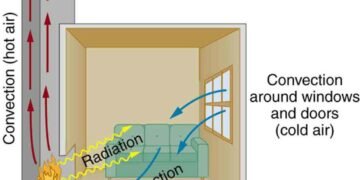
Winter jackets keep wearers warm by skillfully managing heat transfer through three classical methods: conduction (heat transfer through contact), convection (heat transfer due to fluid movement), and radiation (heat transfer via electromagnetic waves). This multifaceted approach ensures that wearers stay comfortable in cold conditions.
Innovations in Textile Production
Recent advancements in textile science have led to the development of ultra-thin synthetic fibers that trap heat more efficiently. These materials work in tandem with high-loft down, creating insulated layers that significantly slow heat loss.
Engineers have also created breathable membranes with tiny pores that allow sweat to escape while repelling water, a critical feature for maintaining the integrity of insulation. If the insulation gets damp, it loses effectiveness, making breathability crucial.
Wind and Water Resistance
A good winter jacket also acts as a barrier against wind, which can strip away the warm air layer surrounding the body. High-quality jackets use tightly woven fabrics and laminated outer shells to block wind and moisture effectively, creating a dry environment for insulation to perform optimally.
Reflecting Body Heat
In addition to thermal insulation, modern jackets incorporate materials designed to reflect radiated heat back towards the body. This feature enhances warmth without adding extra layers, utilizing strategic designs that maintain breathability while maximizing thermal retention.
Future Directions in Jacket Design
While current jackets provide significant advancements in warmth and comfort, researchers are exploring adaptive textiles. Innovations could lead to fabrics that open microscopic vents in humid conditions or adjust thermal properties based on the surrounding climate, much like a science fiction concept translated into everyday wear.
Context & Previous Events
The principles governing heat transfer were first documented in the 18th century by Isaac Newton and further developed by Joseph Fourier and others into the modern understanding we have today. While thermal science itself appears established, the integration of these principles with cutting-edge material technologies marks a significant evolution in the design of winter apparel.
As winter approaches, the marriage of robust scientific principles and innovative materials offers consumers not just warmth, but also improved safety and comfort in increasingly variable weather.






