





















International Court of Justice Begins Landmark Genocide Case Against Myanmar
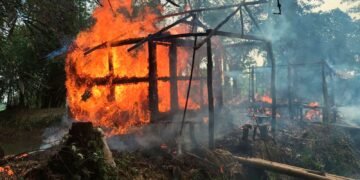
The International Court of Justice (ICJ) commenced hearings last week addressing allegations of genocide against the Rohingya people by Myanmar’s military forces. This landmark case is poised to set significant legal precedents regarding the definition and validation of genocide and brings to light harrowing testimonies from survivors of the violence that prompted over 700,000 Rohingya to flee to Bangladesh in 2017.
Why It Matters
This case highlights the ongoing struggles faced by the Rohingya community, a predominantly Muslim group long subjected to persecution in Myanmar. With Myanmar denying the allegations, the ICJ’s ruling could influence global attitudes toward how genocide is prosecuted and could have rippling effects on similar cases worldwide, including accusations against Israel regarding the Gaza conflict.
Key Developments
- Dr. Ronan Lee reported chilling testimonies from Rohingya survivors, detailing killings and widespread sexual violence during military operations.
- The Gambia, which filed the case, argues that Myanmar’s actions constitute violations of the 1948 Genocide Convention.
- Myanmar’s defense claims the military actions were a necessary counter-terrorism measure, disputing allegations of genocide.
- The ICJ is hearing accounts from victims in closed sessions, marking the first time such evidence has been presented directly in an international court.
- The hearings will examine the role social media, particularly Facebook, played in exacerbating anti-Rohingya sentiment during the crackdown.
Full Report
Chilling Accounts from Survivors
Dr. Ronan Lee, an academic and author, conveyed the harrowing experiences shared by members of the Rohingya community, describing “blood-curdling accounts” of violence and human rights violations. Survivors recounted systematic killings and reports of a “monstrous campaign of sexual violence” unleashed upon women and girls. This systematic approach to violence, they asserted, painted Rohingya males as targets for extermination.
Opening Statements at the ICJ
The Gambia’s Justice Minister Dawda Jallow presented the case to the court, underscoring the historical persecution faced by the Rohingya. He accused Myanmar of perpetuating a “clearance operation” that not only resulted in significant loss of life but also appalling acts of violence against civilians. Jallow framed the hearings as a critical moment for accountability, asserting that the Rohingya have “endured decades of appalling persecution.”
Myanmar’s Defense
Representing Myanmar, Ko Ko Hlaing argued that the military’s actions were legitimate responses to insurgent threats, citing the need for national security in the volatile northern Rakhine State. He emphasized that the hearings must rely on verified facts rather than “unsubstantiated allegations,” challenging the notion of genocide as presented by The Gambia.
The Role of Social Media
This case also opens a discussion on the influence of social media, particularly Facebook, in the hate speech that preceded the military’s actions against the Rohingya. Dr. Lee pointed out that Facebook’s unregulated presence allowed for the proliferation of anti-Rohingya narratives, providing a political backdrop that facilitated the violence. The court’s consideration of this factor marks a significant step in addressing the intersection of technology and human rights violations.
Context & Previous Events
More than a million Rohingya people resided in Myanmar at the start of 2017, primarily in Rakhine State. The group has faced systemic discrimination, with Myanmar’s government historically denying them citizenship and labeling them as illegal immigrants. Following the military crackdown in 2017, countless Rohingya were forced into overcrowded refugee camps in Bangladesh, where they remain today. A previous UN fact-finding mission concluded that the military’s actions amounted to genocidal acts, a report that Myanmar authorities vehemently rejected, framing their operations as counter-terrorism efforts.