























Ukrainian Soldiers and Civilians Face Daunting Choices Amid Ongoing Conflict in Donbas
In the face of steady Russian advances through the Donets region of the Donbas, the humanitarian toll is steepening as civilians and soldiers find themselves at a critical juncture. As peace talks falter, the stakes of territorial integrity versus the need for safety are leading many to reconsider their options.
Why It Matters
The ongoing conflict in the Donbas region embodies a broader struggle for Ukrainian sovereignty amid significant Russian aggression. As international diplomacy grapples with a resolution, the everyday lives of those caught in the crossfire reveal a complex reality characterized by fear, uncertainty, and the harsh choices of survival versus resistance.
Key Developments
- Russian Control: Approximately 85% of the Donbas, including key towns, is under Russian control, with reports of the strategic town of Pokrovsk being taken.
- Skepticism Among Soldiers: Many Ukrainian soldiers express doubt about the prospects of peace talks, perceiving them as "chatter" rather than substantive negotiations.
- Civilian Exodus: There is a continuing wave of civilians fleeing the war zone, with as many as 200 people arriving daily at a reception center over the border.
- Drones Intensify Fear: Civilians report a surge in drone activity, making even everyday activities perilous.
- Desertion Rates Rise: Nearly 300,000 cases of desertion or absence without leave have been recorded since the start of the full-scale invasion.
Full Report
Ongoing Military Operations
The situation in the Donbas remains dire, with Russian forces reportedly controlling significant areas and maintaining an aggressive military posture. Ukrainian soldiers stationed at the front express exhaustion and anxiety. Denys, a soldier, described the overwhelming toll on his comrades, who are coping with relentless drone activity that they liken to "flies." He firmly rejects the idea of ceding the Donbas to Russia, asserting, "Nobody will give Putin the Donbas. No way, it’s our land."
As the Ukrainian military continues to shoulder the burden of defense, reports indicate that morale is waning, with many soldiers in need of urgent respite from battle conditions.
Civilian Experiences
For civilians, the daily struggle is no less daunting, with many opting to leave their homes for safety. Families like Yevheniy’s, who have just fled Kramatorsk, describe the relentless threats posed by increasing drone activity. “It’s getting harder and harder to even go outside. Everything is dangerous,” Yevheniy noted, highlighting the urgency of their departure to safer regions like Kyiv.
Others, including Oleksandr, express a willingness to negotiate peace even if it means relinquishing their homes. Oleksandr conceded the heightened dangers of remaining in the Donbas, revealing his children’s relocation to Germany.
Deserters Reflect on Their Choices
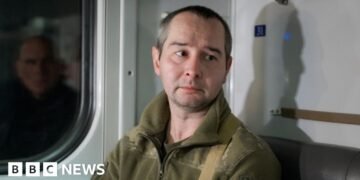
The conflict’s toll is also visible among soldiers choosing to abandon their posts, with many citing inadequate training and leadership as key reasons for their desertion. One soldier, known as Serhii, expressed doubts about the war’s feasibility, reflecting a growing sentiment that the odds favor a significantly larger adversary. "If you think logically, no. A country of 140 million against us with 32 million—logically it doesn’t add up,” he lamented.
Context & Previous Events
The conflict in the Donbas has been ongoing for years, escalating notably following Russia’s full-scale invasion of Ukraine. Recent peace talks have surfaced proposals perceived as favorable to Russian demands, complicating the prospect of a lasting resolution. Within this landscape, the contest for territory remains a flashpoint, with civilians and soldiers alike feeling the weight of their choices as they navigate the war’s unrelenting challenges.