






















Ukrainians Endure Harsh Conditions Amid Energy Crisis
As Ukraine grapples with chilling temperatures plummeting to -15°C, President Volodymyr Zelenskyy has announced plans to declare a state of emergency in the energy sector. With power outages impacting many areas due to Russian attacks on its energy infrastructure, the situation continues to deteriorate for residents, particularly in the Kyiv region.
Why It Matters
The ongoing energy crisis poses severe risks to civilians as freezing temperatures coincide with limited access to essential services like heating and electricity. The humanitarian implications could lead to increased hardship, particularly for vulnerable populations such as children and the elderly. This crisis reflects the broader consequences of continued military aggression and targeted assaults on civilian infrastructure by Russia.
Key Developments
- Emergency repair crews are working around the clock to restore power in the Kyiv region.
- Four hours of electricity supply have been restored daily in Boryspil, one of the hardest-hit towns.
- Hospitals in Kyiv are relying on autonomous boiler houses to maintain adequate heating for patients.
- Ukraine’s Ministry of Foreign Affairs criticized Russia for a “deliberate campaign” against civilians, claiming the strikes occur during the coldest days.
- The Kyiv mayor reported that heating has been restored to nearly all apartment buildings, but about 400 still lack service.
Full Report
The Hefty Toll of Winter
With temperatures dropping significantly, Ukrainians are facing dire living conditions. In Boryspil, electrical system repairs are ongoing as workers brave the frigid conditions from dawn until midnight. “We’ve managed to restore power for just four hours a day,” said Yurii Bryzh, head of DTEK’s regional office.
Challenges in Restoration
Despite efforts to restore power, the situation is complicated. Bryzh noted that when electricity returns, residents often activate multiple appliances simultaneously, leading to system overloads that cause outages once more. This cycle leaves many families, including those of Mykhailo and Hanna, struggling as their daughter’s room temperatures mirror the outdoor chill.
Humanitarian Concerns
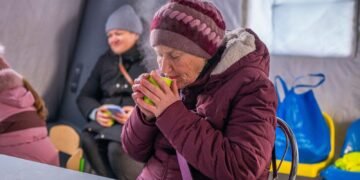
Elderly residents are finding creative ways to stay warm, such as heating water on gas stoves and filling bottles to be used in bed. Zinaida Hlyha, aged 76, expressed her resilience, stating, “I don’t complain. There are people who have it much worse.” Hospitals face a similar struggle, relying on backup systems to prevent a humanitarian crisis.
International Reaction
In a recent statement, the Ukrainian Ministry of Foreign Affairs accused Russia of conducting strikes on energy infrastructure during the harshest weather conditions. This approach has been labeled as “cynical” and reflects the increasing toll on civilian life due to the ongoing conflict. Meanwhile, Russia has condemned recent military support initiatives from Western nations aimed at bolstering Ukraine’s defenses.
Context & Previous Events
President Zelenskyy recently convened a meeting to discuss the emergency in the energy sector, highlighting the severe consequences of Russian military actions and adverse weather. The ongoing war has led to consistent attacks on Ukraine’s energy infrastructure, significantly affecting citizens’ daily lives and preparations for an already harsh winter season.