






















Ukraine Seeks European Support Against FIFA’s Move to Restore Russia’s Football Participation
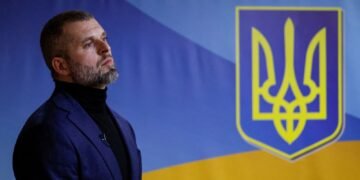
Ukrainian officials are rallying support from European governments in response to FIFA’s potential plan to lift the ban on Russia participating in international football. This initiative, led by Ukrainian sports minister Matvii Bidnyi, underscores Ukraine’s commitment to opposing any action that could be perceived as legitimizing the ongoing aggression by Russia.
Why It Matters
The fight against reinstating Russian football teams is not just about sports; it reflects the broader geopolitical tensions and the need to maintain international pressure against Russian aggression. Allowing Russia back into international sporting events could diminish the significance of sanctions imposed in response to its military actions in Ukraine, affecting global perceptions and responses to the conflict.
Key Developments
-
Ukrainian sports minister Matvii Bidnyi warned that restoring Russia’s participation in international football would legitimize Vladimir Putin’s aggressive actions.
-
FIFA president Gianni Infantino is attending UEFA’s annual congress, where discussions surrounding the ban on Russian teams are taking place.
-
Bidnyi emphasized that the prohibition on Russia competing is essential to showing international condemnation of its conduct.
-
He called for a united European stance to oppose any attempts to lift current sanctions against Russian teams.
- The Ukrainian government seeks to sustain the momentum of international support, as they have previously secured similar statements from 28 European nations.
Full Report
Call for Unity Against FIFA’s Proposal
Matvii Bidnyi articulated the concerns surrounding FIFA’s intention to reconsider the ban on Russian teams, stating that allowing their participation would send a misguided message amid the ongoing conflict. He asserted, "If we start to make our policy softer… what sign do you make for the world?" His comments reflect a broader sentiment that sports sanctions should be maintained as a symbol of international solidarity against aggression.
In a recent statement to Sky News, Bidnyi labeled Infantino’s views on the ban as “strange,” drawing attention to the unchanged circumstances surrounding the war. He described the ban as a critical component of international efforts to hold Russia accountable, insisting that legitimizing such actions would equate to justifying a crime.
FIFA’s Position and Reactions
FIFA’s Infantino recently expressed frustration over the ban, suggesting it has not contributed positively toward resolving conflicts but has instead intensified feelings of frustration and hatred. In response, Bidnyi condemned the potential reintroduction of Russian teams into international play, citing the horrifying consequences of the war, such as children being harmed during football-related activities due to Russian attacks.
Pressure from European Governments
Countries, including the UK, have previously condemned lifting sanctions against Russian teams, recognizing the sport’s role as a platform for political expression. Bidnyi noted the significance of maintaining swift international action to uphold sanctions, as it represents a unified stance in the face of aggression.
Context & Previous Events
Russian teams were banned from competing in international football following the onset of the war against Ukraine, a decision supported by various European nations. As FIFA and UEFA faced mounting pressure from politicians and advocacy groups, they enacted sanctions to prevent Russian participation in events like the World Cup. The Paralympic movement has also reflected similar concerns, having previously backed bans on Russian athletes and teams.