






















UK Imposes Sanctions on Sudanese Paramilitary Commander After El-Fasher Massacre
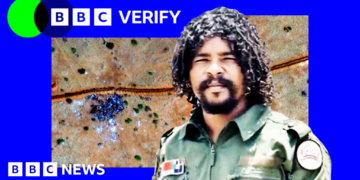
A Sudanese paramilitary commander linked to a horrifying massacre in el-Fasher has been sanctioned by the UK government. Brigadier General Al-Fateh Abdullah Idris, known as Abu Lulu, was identified in footage shooting unarmed captives following the Rapid Support Forces’ (RSF) takeover of the city last October.
Why It Matters
These sanctions represent a significant international response to atrocities in Sudan, underscoring the increasingly urgent call for accountability amid ongoing violence and suffering. As the civil war escalates, the UK and other nations are aiming to deter these brutal acts and provide humanitarian support to the affected populations.
Key Developments
- Sanctions Imposed: The UK has sanctioned Abu Lulu and three other RSF commanders for their involvement in human rights violations.
- Statements from Officials: UK Foreign Secretary Yvette Cooper described the incidents in Sudan as “a scar on the conscience of the world” that will not go unpunished.
- Mass Casualties Reported: Thousands are believed to have been killed since the army’s withdrawal from el-Fasher, marking a significant deterioration in security.
- Support for Victims: UK officials announced an additional £21 million for food, shelter, and health services for civilians displaced by the fighting.
Full Report
The Atrocities in El-Fasher
Reports confirm that Brig. Gen. Abu Lulu executed multiple unarmed captives with an AK-style rifle in the days following the RSF’s capture of el-Fasher, a city that previously served as a vital military stronghold. Footage analyzed by BBC Verify confirmed the brutal actions of Abu Lulu, who was later seen celebrated by RSF troops.
In addition to Abu Lulu, the UK government has also imposed sanctions on three other RSF commanders, including Deputy Head Abdul Rahim Hamdan Dagalo. Dagalo, who had been under EU sanctions since November, was seen in verified footage shortly after the RSF captured the city, further implicating him in the violence.
The UK’s Foreign Office stated that those sanctioned are responsible for various atrocities, including mass killings and systematic sexual violence against civilians.
Humanitarian Response
In light of ongoing violence, Cooper emphasized that the UK’s sanctions aim to target individuals “with blood on their hands” while announcing a humanitarian aid package designed to assist those caught in the conflict. The aid is tailored to provide critical support to displaced populations, enhancing access to essential services.
Official Reactions
Following the massacre, RSF leader Gen Mohamed "Hemedti" Dagalo acknowledged that his troops committed "violations" and pledged to investigate. However, reports suggest ongoing attacks against civilians persist, raising concerns about accountability and justice.
Context & Previous Events
The civil war in Sudan has been raging for over two years, following the disintegration of the military’s fragile coalition with the RSF. The violence has resulted in hundreds of thousands of deaths and the displacement of millions. Satellite imagery from Yale University’s Humanitarian Research Lab has revealed mass graves and piles of bodies in el-Fasher, underscoring the brutal reality faced by civilians.
The recent sanctions follow a similar move from the U.S., which announced sanctions against individuals and companies involved in recruiting former Colombian soldiers to support the RSF’s operations in Sudan. This coordinated international effort highlights growing global concern regarding the escalating violence in the region.