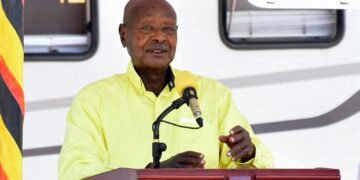























Uganda’s Museveni Claims Victory Amid Allegations of Rigging
Uganda’s long-time leader Yoweri Museveni has reportedly secured re-election amid serious allegations of election fraud and unrest. With Museveni claiming over 71% of the votes in the recent presidential election, opposition leader Kyagulanyi Ssentamu, popularly known as Bobi Wine, disputes the legitimacy of the results, asserting that "massive ballot stuffing" occurred.
Why It Matters
The election and its aftermath symbolize a critical moment for Uganda’s political landscape, reflecting the ongoing struggle for democracy in a nation where power has been tightly held by Museveni for four decades. These developments raise concerns about human rights, the integrity of the electoral process, and the well-being of dissenting voices in an environment marked by state control and violence.
Key Developments
- Yoweri Museveni has been declared the winner, securing 71% of the vote.
- Bobi Wine garnered 24% and has called for his supporters to reject the results.
- Allegations of "massive ballot stuffing" and voter intimidation have emerged from Wine’s camp.
- Security forces reportedly raided Wine’s home, leading him to describe the night as "very difficult."
- An internet blackout was enforced as unrest unfolded, hindering reporting from the ground.
Full Report
Election Results and Claims of Fraud
The 81-year-old Museveni will serve a seventh term after the electoral commission’s announcement. However, Bobi Wine has dismissed the reported results as fabricated, describing them as “fake” while urging his followers to disregard them. Wine’s claims are supported by allegations of voter intimidation and manipulation by security forces, including the forcible abduction of his party’s polling agents.
Raid on Bobi Wine’s Residence
In a statement made early Saturday, Wine recounted how police and military personnel invaded his home, resulting in a chaotic night where he managed to escape. He reported that power was cut off, surveillance cameras were disabled, and helicopters hovered above his residence. Wine confirmed his family members remained at home as he expressed his “complete rejection” of the election results, labeling them as lacking credibility.
Challenges During Voting
The election faced significant operational challenges, including delays caused by the late arrival of materials at polling stations and malfunctioning biometric machines. Many polling stations, particularly in urban areas considered opposition strongholds, had to revert to manual voter registration methods due to these issues, a situation criticized by pro-democracy advocates.
Security Forces and Campaign Climate
The campaign was marked by the heavy presence of security forces, with Wine describing instances of harassment towards his supporters. He conducted public events in a flak jacket for personal safety amid threats of violence, including the firing of tear gas at gatherings.
Context & Previous Events
Since assuming power in 1986, Museveni has maintained control by altering constitutional regulations, including the removal of term and age limits, effectively eliminating legal barriers to his presidency. Multiple presidential challengers have faced imprisonment or suppression under his administration, and Uganda has not experienced a peaceful transition of presidential power since gaining independence from colonial rule over sixty years ago. Long-time opposition figure Kizza Besigye has been jailed since February 2025 on treason charges, highlighting the repressive political environment.