






















Violence Erupts Amid Uganda’s Presidential Elections, Claims Multiple Lives
At least seven individuals have been confirmed dead following violent clashes related to Uganda’s presidential election. The unrest raises serious concerns about the integrity of the electoral process and the potential extension of President Yoweri Museveni’s lengthy rule, which may reach into a fifth decade.
Why It Matters
The current election cycle in Uganda is critical, as it determines the future direction of a nation long under Museveni’s leadership. The incidents of violence are particularly alarming in light of allegations of voter suppression and election fraud, which threaten the fundamental democratic process. The outcome of this election could have significant implications for political stability in Uganda and the broader region.
Key Developments
- Casualties Reported: A police intervention in Butambala resulted in the deaths of several opposition supporters, according to local authorities.
- Opposition Claims: Supporters of opposition leader Bobi Wine dispute the police narrative, labeling the incident a "massacre."
- Election Atmosphere: The capital city, Kampala, is described as a war zone amidst heavy military presence and ongoing tensions surrounding vote counting.
- Preliminary Results: Museveni appears poised for a substantial victory with over 75% support, while Wine trails with about 21% of the votes.
- Allegations of Fraud: The opposition has raised concerns about electoral malpractice, particularly during an internet blackout designed to suppress communication.
Full Report
Clashes Lead to Tragedy
In the early hours of the election night, an armed group reportedly attacked a polling station in Butambala, prompting police to respond, resulting in the death of at least seven individuals. Local police spokesperson Lydia Tumushabe stated that the armed opposition members, described as "goons," were shot while allegedly posing a threat to security forces. Authorities have since arrested 25 people in connection with the violent outbreak.
However, opposition figures paint a starkly different picture, insisting that those killed were unarmed supporters who were shot inside a private residence. Member of Parliament Muwanga Kivumbi described the situation as a "massacre," claiming the victims were simply waiting to celebrate election results when they were brutally attacked.
A City Under Siege
As votes are currently being counted, Kampala is under heavy military deployment. Reports indicate that security forces have been conducting operations reminiscent of warfare, with individuals being forcibly taken by "snatch squads." Observers have raised alarms regarding visible intimidation as polling unfolds, highlighting ongoing fears of voter suppression.
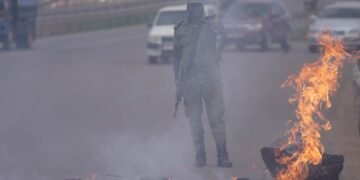
Images circulating demonstrate the tense environment, with heavily armed security patrolling the streets. Debris lines the roads, and fires continue to ignite amidst a chaotic atmosphere that has left many residents feeling threatened.
Museveni’s Stronghold
Preliminary electoral results released by the commission indicate that Museveni is leading with over 75% of the vote, while Bobi Wine, previously a popular musician and current political contender, is lagging at approximately 21%. Wine has repeatedly alleged significant irregularities in the voting process and has accused the government of effectively placing him under house arrest following his defeat.
After casting his vote, Museveni expressed confidence in winning “80% of the vote if there’s no cheating,” emphasizing his long-standing influence in the country since seizing power in 1986.
Context & Previous Events
This election comes against a backdrop of increasing tensions and allegations of electoral misconduct, with prior campaigns marked by accusations of voter intimidation and suppression. The current political climate has drawn concerns from both citizens and international observers regarding the legitimacy of the electoral process and the state of democracy in Uganda.