






















U.S. military action in Venezuela has escalated dramatically with the capture of President Nicolás Maduro, signaling a significant shift in American engagement in Latin America. This rare intervention, marking the first of its kind since the invasion of Panama in 1989, raises urgent questions about the future of Venezuelan governance and the broader implications for regional stability.
Why It Matters
The U.S. has long been involved in Venezuelan politics, accusing Maduro of various human rights violations and ties to drug trafficking. This military intervention signifies a departure from traditional diplomacy and opens the door for a potential regime change amid rising tensions in the region.
Key Developments
- The U.S. launched strikes targeting military infrastructure in Caracas, resulting in Maduro’s capture.
- Maduro is now facing charges in the U.S. related to weapons and drug trafficking.
- This marks the first direct military engagement in Venezuela since the 1989 Panama invasion.
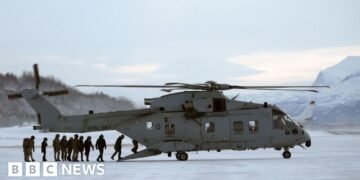
- The U.S. has increased its military presence in Latin America, sending a significant deployment that includes warplanes, troops, and helicopters.
- The opposition in Venezuela is divided, complicating prospects for a seamless transition of power.
Full Report
Military Escalation
The U.S. military strikes in Caracas represent a dramatic pivot, with American forces launching targeted operations against Maduro’s military strongholds. President Trump announced Maduro’s capture, framing it as a necessary step in what he describes as a broader effort against criminality and drug trafficking in the region.
U.S. Response and Allegations
The U.S. has long accused Maduro of leading a criminal syndicate known as the “Cartel de los Soles,” which allegedly directs drug trafficking and various illicit activities in Venezuela. Human rights organizations have documented severe abuses under Maduro’s regime, contributing to the international community’s denial of legitimacy to his presidency following elections deemed neither free nor fair by observers.
Political Implications
The situation raises critical questions about the future political landscape in Venezuela. While the U.S. appears keen to support either opposition leader María Corina Machado or Edmundo Gonzalez, internal divisions within the opposition complicate potential governance structures. Many Venezuelans remain wary of U.S. intervention, recalling past military actions in Latin America and their often tumultuous outcomes.
Regional Dynamics
As the U.S. increases its military posture in the region, it faces mixed reactions from neighboring countries. Significant powers such as Brazil and Colombia have expressed reservations about U.S. military intervention, highlighting the complexities involved in this geopolitical shift.
Future Uncertain
The path forward remains unclear. Will the U.S. push for new elections, or attempt to target additional officials within Maduro’s government? Maduro’s allies are increasingly anxious about their futures, weighing the potential for persecution against their own desires for power.
Context & Previous Events
This military action marks the first direct intervention by the U.S. in Venezuela since the 1989 invasion of Panama. Historical perspective indicates that U.S. actions in the region have often aimed at regime change, and Venezuela’s government views this latest escalation as a reaffirmation of Washington’s longstanding ambitions to topple its leadership.