






















Gun Violence Near White House Sparks National Debate on Immigration Policies
A shooting incident near the White House on Wednesday left one National Guard member dead and another wounded, reigniting discussions about immigration policies amid the identity of the alleged gunman, who is reportedly from Afghanistan. The tragic event has prompted stark reactions from political leaders, warning of potential ramifications for immigrant communities across the United States.
Why It Matters
The shooting serves as a critical moment for the nation, raising concerns about safety, the vetting of immigrants, and the broader implications for those who have fled violence and persecution. As the country grapples with these issues, the incident elevates existing tensions regarding immigration, especially for those with ties to regions associated with conflict.
Key Developments
- Two National Guard members were shot in Washington D.C., with one, 20-year-old Sarah Beckstrom, succumbing to her injuries.
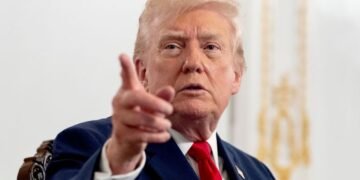
- President Donald Trump addressed the nation from his Mar-a-Lago estate, attributing blame to former President Biden for allowing the alleged gunman entry into the U.S.
- The gunman, believed to have arrived from Afghanistan during Operation Allies Welcome, had connections to U.S. forces.
- Trump announced intentions for stricter immigration controls, focusing on Afghan and Somali communities, even though the latter has no ties to the shooting.
- Concerns from immigrant communities regarding heightened scrutiny and potential backlash have surfaced, particularly for those who may resemble the suspect.
Full Report
In a late-night taxi ride reflecting on the events of the day, a driver named Abdullah, originally from Afghanistan, expressed his fears about the backlash against the Afghan community in the U.S. after the shooting. Having arrived in America in 2012 after serving as a combat medic alongside U.S. troops, he voiced his apprehensions about being targeted due to his appearance and origins.
Abdullah conveyed that he understood the president’s desire to ensure national safety but worried that the immigration crackdown announced could lead to widespread fear among law-abiding immigrants. “If I get stopped for something minor, they will probably detain me,” he said, referencing past ICE actions that have often ensnared individuals with legal statuses.
President Trump’s rhetoric following the shooting quickly shifted from condemning the violence to calling for an immigration overhaul, stating that his administration would “permanently pause” immigration from “third world countries.” Trump’s comments about the Somali community, disparagingly describing it as “ripping off our country,” have deepened fears among immigrants, implicating communities that had previously sought refuge in the nation.
Abdullah, although legally residing in the U.S., indicated that such statements contribute to a climate of xenophobia. The Immigration and Customs Enforcement (ICE) agency has previously been known to detain individuals without a clear threshold for detaining individuals suspected of being undocumented, exacerbating fears within immigrant communities.
Context & Previous Events
The alleged shooter arrived from Afghanistan in 2021, one of over 70,000 Afghans brought to the United States as part of the chaotic withdrawal of American forces from Afghanistan. This effort aimed to protect those who had assisted U.S. military operations for two decades, amidst rising Taliban control. Trump’s administration had also dealt with similar issues related to immigration policies, notably during his presidency, which included its own controversies surrounding immigrant vetting and public sentiment toward asylum seekers. The shooting incident provides a backdrop that reopens wounds for many within this diaspora, particularly with the current climate of immigration scrutiny.






