






















Trump Defends Economic Policies Amid Rising Inflation Concerns in Pennsylvania
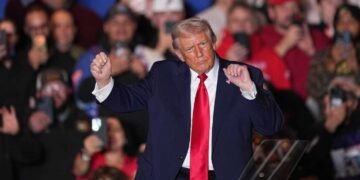
In a rally at the Mount Airy Casino Resort in Mount Pocono, Pennsylvania, President Donald Trump addressed supporters on Tuesday, reaffirming his commitment to lowering inflation. However, his grip on the inflation narrative was overshadowed by distractions and reminders of past controversies, leaving attendees questioning his connection to pressing economic issues.
Why It Matters
The president’s comments come at a crucial time, with inflation remaining a significant concern for many American families and following disappointing results for Republicans in recent elections. Trump’s ability to connect with his base and potentially influence midterm elections hinges on addressing these economic fears comprehensively.
Key Developments
- Trump dismissed inflation as a significant issue, labeling the Democratic narrative around "affordability" a "hoax."
- He revisited controversial remarks about immigration, asking why the U.S. doesn’t welcome more immigrants from Scandinavian countries, while criticizing those from what he termed "disaster" locations.
- Recent voter trends indicate rising concerns over inflation, even among Trump supporters in Monroe County, where some feel economically strained.
- The White House plans to introduce more rallies led by Trump in the lead-up to the midterm elections, aiming to energize his voter base.
Full Report
Inflation Discussion
During his speech, Trump claimed that inflation is no longer a problem and blamed his political opponents for spreading narratives that harm his reputation. He showcased a chart meant to portray inflation rates under his administration as favorable compared to those under President Joe Biden. Despite this, the overall inflation rate has risen since the imposition of broad tariffs in April, causing many Americans to feel the pinch in essential expenses such as groceries and housing.
“I have no higher priority than making America affordable again,” Trump stated. However, reactions from attendees suggest skepticism over his ability to achieve this goal. Economic realities, voiced by constituents like Lou Heddy, highlight a growing discontent with rising costs, particularly in grocery bills.
Voter Sentiment
The president’s rally was described more as a campaign event than an official White House gathering, echoing the style of his previous campaign rallies. Despite the upbeat atmosphere, the concerns of local voters were palpable. Many residents reported increased costs in everyday essentials and expressed doubts about Trump’s assurances of economic improvement.
Suzanne Vena, a Democratic voter, pointed to the adverse impacts of Trump’s tariffs on her fixed income, expressing disbelief in his ability to curb rising prices. Nick Riley, another attendee, noted the challenges many face financially, stating, "We’re all broke. It doesn’t matter whether you support Republicans or support Democrats."
Political Landscape
The rally took place in a key congressional district held by Republican Rep. Rob Bresnahan, who faces challenges from Democrats in the upcoming midterms. Bresnahan acknowledged the electorate’s focus on results rather than partisan discussions. Nonetheless, the efficacy of Trump’s rallying efforts in Monroe County remains uncertain as inflation continues to strain household budgets.
Strategy for the Midterms
In a shift from traditional political strategy, White House chief of staff Susie Wiles announced plans for Trump to participate actively in the midterm campaigns. Wiles emphasized the importance of energizing lower-propensity voters who may lean towards Trump, aiming to reshape election dynamics against a backdrop of economic dissatisfaction.
Context & Previous Events
Recent electoral setbacks for Republicans, including the election of a Democratic mayor in Miami, have heightened the urgency for Trump to reconnect with voters, especially in swing states like Pennsylvania. The administration’s attempts to reshape the conversation around inflation appear increasingly critical ahead of the crucial midterms next year.
As the economic landscape evolves, Trump’s ability to pivot from past controversies to focus on voter concerns about affordability may dictate the Republican Party’s success in the upcoming elections.






