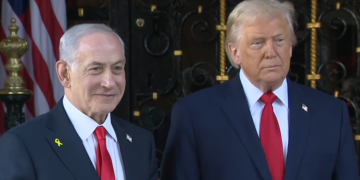























An Intense Diplomatic Flashpoint: Trump Hosts Netanyahu and Zelenskyy in Palm Beach
President Donald Trump’s recent two-day diplomatic marathon in Palm Beach has left observers grappling with a whirlwind of significant geopolitical moves and unexpected twists. As Trump engages with figures like Israeli Prime Minister Benjamin Netanyahu and Ukrainian President Volodymyr Zelenskyy, the implications for U.S. foreign policy and upcoming elections remain critical.
Why It Matters
Trump’s interactions in Palm Beach underscore a shift in American diplomacy as he prioritizes alliances while facing domestic electoral challenges. With key discussions centering on the Middle East and Ukraine, the stakes are high not only in terms of immediate geopolitical tensions but also for Trump’s positioning ahead of the 2026 elections.
Key Developments
- Meeting with Netanyahu: Netanyahu’s spokesman heralded the meeting as "outstanding," with Trump reiterating U.S. support for Israel.
- Military Commitments: Trump committed to potential military actions against Iran and cast blame on Hamas for the Gaza ceasefire stalemate.
- Praise for Netanyahu: Trump lauded Netanyahu as Israel’s wartime president and expressed support regarding his ongoing corruption case.
- Concerns Over Violence: Trump raised concerns about settler violence in the West Bank, a potential threat to his vision for peace in the region.
- Venezuela Engagement: Trump acknowledged an order for a military attack on a Venezuelan facility, marking a notable U.S. military stance.
- China and Taiwan: In response to a reported Chinese military exercise near Taiwan, Trump remained unconcerned, saying, "Nothing worries me."
- Zelenskyy’s Visit: Zelenskyy sought security guarantees from Trump, who made explicit commitments while the reliability of those guarantees remains in question.
- Interaction with Putin: Trump disclosed that he spoke with Russian President Vladimir Putin, who claimed Ukraine had attacked one of his residences, a narrative that Ukraine has dismissed as false.
Full Report
Diplomatic Engagement
The backdrop of Trump’s recent diplomacy features a series of meetings with international leaders, notably Israeli Prime Minister Netanyahu, who expressed satisfaction with the U.S. commitment to Israel’s security. Trump emphasized military readiness against Iran and put clear blame on Hamas for exacerbating tensions in Gaza, helping Netanyahu’s political narrative ahead of upcoming elections.
Contrasting Views on Conflict
While Trump appeared decisive in his support for Netanyahu, he also voiced concerns about violence in the West Bank, suggesting a need for caution over extremist actions, which could threaten regional stability. His assessment indicates a desire to balance strong support for Israel with the principle of avoiding further escalation of conflict.
Military and Security Decisions
In discussions about Venezuela, Trump confirmed his sanctioning of an attack on a significant facility, raising questions about U.S. military interventions abroad. His dismissive stance regarding China’s military maneuvers near Taiwan indicates a current lack of anxiety about present threats, leaving analysts puzzled over the administration’s broader strategic framework.
Ukrainian Support Amidst Doubts
Zelenskyy’s visit was marked by a strong request for U.S. support, and while he received assurances from Trump, there are lingering uncertainties regarding the permanence and reliability of such promises. This situation places Ukraine in a precarious position as it continues to navigate conflict with Russia.
Ties with Russia
Trump’s remarks regarding his conversation with Putin further complicate the narrative, as the prior U.S. intelligence consensus contrasts sharply with Trump’s tendency to align with the Russian president’s accounts. This pattern raises alarm among observers about the implications for U.S. intelligence and foreign policy integrity.
Context & Previous Events
In prior engagements, Trump has routinely interacted with international leaders, shaping a distinct foreign policy narrative characterized by controversial statements and significant military posturing. As the U.S. navigates heightened global tensions, these latest developments in Palm Beach serve as a pivotal junction in both domestic and international landscapes. Trump’s focus on international relationships will likely influence his presidency as the country approaches the 2026 elections, where domestic concerns about the economy and cost of living are expected to dominate the political discourse.






