






















U.S. Plans Retaliation Following ISIS Attack in Syria
The United States is preparing to respond forcefully after an attack attributed to the Islamic State (IS) resulted in the deaths of three Americans—two service members and a civilian—in Syria over the weekend. The incident marks a significant escalation in violence involving U.S. forces in the region, underscoring ongoing security challenges amidst the remnants of IS.
Why It Matters
This attack is particularly notable as it is the first that has led to U.S. military fatalities in Syria since the decline of President Bashar Assad’s regime a year ago. With U.S. troops actively engaged in operations against IS, this incident raises concerns about the safety of American personnel deployed in volatile areas and highlights the persistence of extremist groups despite previous military defeats.
Key Developments
- Casualties: The attack occurred near Palmyra, with two U.S. service members and one civilian interpreter killed; three others were injured. The identity of the service members will be withheld until their next of kin are notified.
- Response from Trump: President Donald Trump vowed "very serious retaliation" against the perpetrators of the attack, emphasizing the U.S. commitment to protecting its citizens.
- Investigation: Syrian authorities are investigating the attacker’s affiliation, with mixed reports on whether he was connected to IS or if he acted independently.
- Military Presence: The U.S. maintains a presence in eastern Syria, where a coalition continues efforts against IS, which is believed to still have thousands of fighters in the region.
Full Report
Attack Details
The ambush took place Saturday, involving a lone gunman who attacked U.S. personnel near the historical site of Palmyra. Reports indicate that the victims were airlifted to the al Tanf garrison for medical attention. While the gunman was reported killed in a subsequent engagement, uncertainties remain regarding his background and motives.
Official Reactions
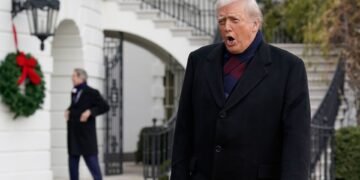
At a press conference before attending the Army-Navy football game, President Trump extended condolences to families affected by the attack. "This was an ISIS attack," he stated, reinforcing the U.S. stance against terrorism. He later reiterated this message via his Truth Social platform, asserting the intent to pursue retaliatory measures.
Defense Secretary Pete Hegseth warned that any attacks on Americans would result in severe consequences, illustrating the U.S. government’s resolve to respond vigorously to threats against its personnel abroad.
Ongoing Threat from ISIS
Despite military successes against the Islamic State, which lost its territorial stronghold in Syria in 2019, the group continues to operate with an estimated 5,000 to 7,000 fighters in both Syria and Iraq. IS sleeper cells remain active, posing ongoing risks to U.S. interests and stability in the region.
Context & Previous Events
The incident is occurring amid a broader context of U.S. military involvement in Syria where American forces have been stationed since the battle against IS intensified. Notably, the attack follows a recent political cooperation agreement signed between Syria’s interim president Ahmad al Sharaa and the U.S.-led coalition. This agreement aimed at combating IS underscores the complex geopolitical landscape in which these violent confrontations are unfolding.






