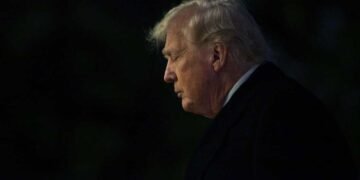























Trump Faces Congressional Scrutiny After Venezuelan Raid
President Trump is scheduled to address House Republicans at the Kennedy Center on Tuesday, following a controversial military operation that led to the capture of former Venezuelan President Nicolás Maduro. The operation has ignited a request for clarity from lawmakers about the U.S. military’s involvement in Venezuela and the next steps in American foreign policy.
Why It Matters
The recent operation represents a significant escalation in U.S. involvement in Latin America, raising questions about the limits of presidential power and the role of Congress in military actions. This development comes amid heightened partisan tensions, as members of both parties grapple with the implications for U.S. foreign policy and its constitutional mandates.
Key Developments
- Trump returned to Washington on January 4, 2026, after a winter break, directly following the capture of Maduro and his wife in Caracas.
- A closed-door briefing on Monday involved key administration officials and congressional leaders, leaving a divided response regarding the military action.
- House Speaker Mike Johnson affirmed that Trump acted within his constitutional rights as commander in chief, emphasizing that the U.S. is not currently engaged in a war in Venezuela.
- A broader briefing for all Congress members is scheduled for Wednesday to discuss the situation in Venezuela and proposed next steps.
- Democratic leaders voiced concerns about the potential overreach of executive powers, expressing fear that Congress may be sidelined in matters of military intervention.
Full Report
The Congressional Briefing
The meeting on Monday involved top members of Trump’s foreign policy team, including Secretary of State Marco Rubio and Defense Secretary Pete Hegseth. Key congressional figures, including leaders from both parties and members of intelligence and armed services committees, participated in the briefing. While Republicans praised Trump’s handling of the situation, asserting his decisions were constitutional, Democrats raised alarms about the implications of unilateral military actions.
Johnson stated, "We are not at war. We do not have U.S. armed forces in Venezuela, and we are not occupying that country." He insisted that Trump’s actions were not aimed at regime change, but rather at demanding reform from the Venezuelan government.
Partisan Divide
Despite Republican solidarity, several Democratic leaders warned that the weekend’s military action could undermine legislative authority. Rep. Gregory Meeks expressed concern over Trump’s apparent ability to sidestep Congress, stating, "It seems at every turn, Donald Trump is trying to figure out how he avoids Congress, and unfortunately, Congress allows him to do it." Senate Minority Leader Chuck Schumer emphasized that the administration’s plans for Venezuela appeared vague and troubling, potentially foreshadowing similar actions in other nations.
Future Steps
The impending briefing on Wednesday is expected to provide more in-depth information regarding the U.S. strategy in Venezuela. Lawmakers continue to emphasize the need for oversight regarding any potential escalation in military involvement.
Context & Previous Events
The Venezuelan operation marks a pivotal moment in U.S. foreign policy, particularly as concerns over executive powers have been repeatedly raised over the past year. This marks an ongoing debate regarding the balance of authority between Congress and the presidency, especially relating to military engagements and foreign interventions.






