
























U.S. Weighs Military Options as Iranian Protests Intensify
The ongoing unrest in Iran has led President Donald Trump to consider possible military intervention, as he expresses belief that the regime could collapse amidst escalating protests. This situation merits close attention, as it poses significant implications for U.S. foreign policy and regional stability.
Why It Matters
The turbulence in Iran is not just a domestic issue; it has broader geopolitical ramifications. The U.S. government’s response could influence not only the fate of the current Iranian regime but also the dynamics of U.S. relations with its allies, and could potentially reshape the trajectory of Iranian history.
Key Developments
- Trump stated he believes the Iranian regime may fall due to the protests that commenced last month.
- The Pentagon has prepared military options, which were to be presented to the President.
- The U.S. has begun withdrawing some military personnel from its Al Udeid Air Base in Qatar.
- Trump indicated that “help is on its way” for the protesters facing a violent crackdown.
- At least 2,615 individuals have reportedly died in the ongoing demonstrations, with some reports suggesting higher casualties.
- Trump warned of “very strong action” if Iran proceeded with executing protesters.
- Iran’s Foreign Minister claimed there are no planned executions.
Full Report
Government Responses
In a recent Oval Office address, President Trump noted that he had been informed that "the killing in Iran is stopping." However, this contradicted earlier assertions that the U.S. would respond decisively should the Persian regime execute detainees involved in the protests. While Trump did not rule out military action, he indicated that the situation would be monitored closely.
Discussions about military intervention have taken shape, with the Pentagon tailoring options aligned with Trump’s objectives. The president’s statements suggest a potential shift from aggressive posturing to a more measured approach, contingent upon developments regarding the treatment of protesters.
Condemnation from Allies
Concern among the U.S.’s Western allies has prompted actions such as the temporary closure of the British embassy in Tehran and the withdrawal of UK staff from the country. The G7 foreign ministers also issued a joint statement expressing grave concern over the situation in Iran and warning of possible additional sanctions if the regime continues its violent crackdown on dissent.
Deteriorating Situation in Iran
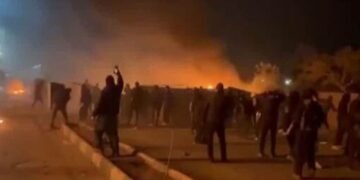
As protests gain momentum, internet access and telecommunications in Iran remain severely restricted, hampering communication and information dissemination. Internet monitoring groups report that these services have been largely disabled for over six days, as the government strives to control the narrative surrounding the protests.
Context & Previous Events
The protests in Iran began last month, triggered by various socio-political grievances, and have resulted in a violent response from the regime. Trump’s comments reflect an ongoing evaluation of U.S. strategies in the region since the political landscape has, for decades, been shaped by Iranian governance since the 1979 revolution.
As the situation continues to evolve, the implications for U.S. foreign policy and the potential for military engagement remain uncertain. The unfolding events underscore the complexities of international diplomacy amid domestic unrest in Iran.