
























Trump Administration Officials Identify States Rife With Student Aid Fraud
In a recent revelation, a senior education official from the Trump administration has spotlighted California and Minnesota as leading states in student financial aid fraud. With over $1 billion fraudulently prevented in 2025, the crackdown on these scams aims to protect taxpayer resources and assist low-income students in obtaining necessary financial support for their education.
Why It Matters
Federal student aid programs serve as a crucial lifeline for low-income students pursuing higher education. However, rampant fraud not only depletes these funds but also hinders legitimate students from accessing the financial resources they desperately need, exacerbating the barriers to educational attainment.
Key Developments
- Fraud Prevention Efforts: In 2025, the Department of Education successfully prevented approximately $1 billion in fraudulent claims.
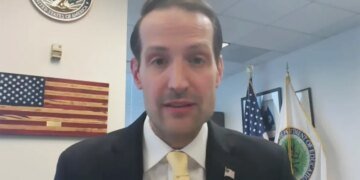
- California and Minnesota: Under Secretary of Education Nicholas Kent has emphasized these two states for having significant fraud issues, with California reportedly losing at least $10 million in federal funds to scammers in a recent 12-month span.
- Ghost Students: A prevalent tactic involves “ghost students,” who enroll without any intention of attending classes, solely to exploit the federal aid system.
- Identification Measures: The administration has implemented rigorous identification checks for first-time applicants of federal student aid through the FAFSA form to combat fraud effectively.
Full Report
Federal Action Against Student Aid Fraud
Under Secretary Nicholas Kent highlighted ongoing efforts to curb fraud in the federal student aid system during an interview. He underscored the significant challenges faced, particularly in California and Minnesota, where fraudulent activity has mushroomed, often impacting the availability of funds for eligible students.
"We discussed California as a hub of fraud, but Minnesota has also been flagged for alarming fraudulent activity," Kent remarked. He pointed out that resources lost to fraud translate into missed opportunities for legitimate low-income students. Specifically, he mentioned that losses could have funded 1,700 Pell Grants, vital for those striving to attain their educational goals.
The Mechanics of Fraud
Kent detailed the prevalence of "ghost students," individuals who enroll for the primary purpose of extracting financial aid while having no intention of pursuing an education. Such individuals may attend class a handful of times before withdrawing, pocketing aid money that should support genuine learners. This scheme, Kent warned, could be exacerbated by advancing technology, including AI, which allows scammers to enroll in multiple programs simultaneously.
Institutional Accountability
Furthermore, the administration has indicated that colleges themselves bear some responsibility in thwarting these fraudulent activities. Kent asserted that educational institutions must implement their own detection measures and remain vigilant against any signs of fraud on their campuses, noting that the benefits they receive from federal aid create a vested interest in maintaining integrity.
Responses from Minnesota and California
Officials from the Minnesota Office of Higher Education clarified that they handle only state-level aid distribution and do not oversee federal fraud detection. They emphasized that colleges are responsible for verifying the authenticity of FAFSA submissions and making financial aid determinations. Meanwhile, the California Community Colleges Chancellor’s Office has been proactive in combatting fraud by implementing identity verification processes, using technology such as AI to enhance their efforts.
Context & Previous Events
The Biden administration has faced scrutiny for not instituting fraud safeguards earlier, with Kent categorizing the lack of measures as "inconceivable." The Trump administration’s recent strategy, including mandatory identification checks, represents a significant shift in approach to safeguarding taxpayer funding in education. As federal investigations continue, both states and institutions are being pushed to recognize their roles in preventing fraud and ensuring the integrity of student aid programs.