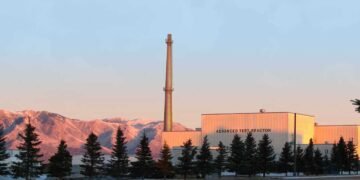























New Nuclear Reactor Projects Exempt from Environmental Reviews Under Trump Administration
The Trump Administration has announced that new experimental nuclear reactors being developed across the U.S. will be exempt from the major environmental regulations mandated by the National Environmental Policy Act (NEPA). This decision, which follows a controversial revision of safety rules at the Department of Energy (DOE), raises concerns about potential environmental impacts and public safety as these reactors are fast-tracked for construction.
Why It Matters
The exclusion from NEPA requirements marks a significant shift in how nuclear projects will be regulated, potentially reducing public oversight and environmental protections. As private companies begin construction on these reactors, which are intended to support energy needs for burgeoning artificial intelligence data centers, the implications for local ecosystems and community safety cannot be overlooked.
Key Developments
- The DOE will exempt advanced nuclear reactors from NEPA, diminishing the need for public environmental assessments.
- The decision was made public in a Federal Register notice and follows an executive order from President Trump aimed at boosting the nuclear sector.
- Critics argue that newer reactor designs lack sufficient real-world testing and may have unknown risks.
- Adjustments to internal safety protocols have eased environmental protections previously in place for nuclear projects.
- The Energy Department maintains that advanced reactors have inherent safety features designed to mitigate risks.
Full Report
Exemption from Environmental Reviews
On Monday, the DOE officially announced that advanced nuclear reactors will no longer require NEPA assessments, which typically involve extensive reports on environmental impacts and offer public avenues for feedback. The DOE justified this change by citing the advanced safety features of the reactors, arguing that they are sufficient to minimize environmental risks.
Response from Experts
Adam Stein, a director at the Breakthrough Institute, expressed support for the exemption, asserting that some reactor designs historically haven’t posed significant environmental risks. However, Edwin Lyman of the Union of Concerned Scientists voiced strong opposition, emphasizing that proposed reactors have primarily been theoretical to date. Lyman stressed the necessity for comprehensive safety evaluations, suggesting that underestimating potential accidents is reckless.
Revised Safety Regulations
Earlier findings had indicated that the DOE had quietly revised its internal rules concerning the construction of these reactors, softening protections that previously mandated strict environmental considerations. New language allows for merely considering potential adverse impacts, leading experts like Kathryn Huff to question the transparency of these changes and the lack of public discourse.
Concerns Over Public Participation
The decision to bypass environmental reviews raises significant questions regarding public engagement. Experts suggest that although feedback on NEPA documents might not influence project outcomes significantly, the absence of these discussions ultimately disenfranchises communities from crucial energy decisions.
Context & Previous Events
Earlier this year, President Trump issued an executive order designed to revitalize the domestic nuclear industry, setting the stage for expedited deployment of test reactors. The DOE’s Reactor Pilot Program aims to have at least three advanced reactors operational by July 4, 2023. This initiative seeks to meet the electricity demands of emerging technology sectors, specifically artificial intelligence.
As the nation forges ahead with these advanced nuclear projects, the implications for environmental safety and community well-being remain at the forefront of ongoing debates.






