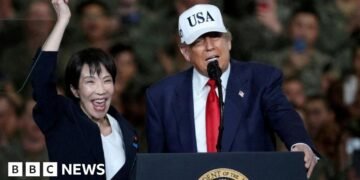























US Presidents Rarely Endorse Foreign Candidates
In an unusual move, a sitting U.S. president has chosen to publicly support a candidate in a foreign election, breaking from the traditional norm of political neutrality in international affairs. This development raises questions about the implications for both U.S. foreign policy and the election process in the country in question.
Why It Matters
The endorsement by a U.S. president can significantly influence public perception and voter behavior in another country, highlighting the interconnectedness of global politics. Such support could also foster stronger diplomatic ties or stir controversy, depending on the recipient’s political stance and the overall context of U.S. foreign relations.
Key Developments
- A sitting U.S. president has openly backed a candidate in an upcoming foreign election.
- This public endorsement breaks with the long-standing tradition of refraining from intervention in other nations’ electoral processes.
- Analysts are closely observing the potential repercussions on U.S. diplomatic relations.
Full Report
The decision to publicly endorse a candidate ahead of elections in another country marks a notable departure from previous administrations that have largely avoided direct involvement in foreign political contests. Experts suggest that such a public statement could sway voter sentiment and impact the election’s outcome.
In making this endorsement, the president has potentially positioned the U.S. as a stakeholder in the internal affairs of the foreign nation in question. This move could draw both support and backlash, depending on various factors, including the political leanings of the endorsed candidate and historical relations between the two nations.
Official reactions to the endorsement have varied. Some political analysts argue it could enhance international alliances, while others express concern over the implications for voter autonomy and sovereignty in the electoral process.
Context & Previous Events
The custom for U.S. presidents to maintain neutrality in foreign elections has been a longstanding practice aimed at respecting the sovereignty of other nations. This recent endorsement represents a significant shift in that precedent, prompting discussions about the role of U.S. influence in global democratic processes.