























Trump Administration Halts Construction of East Coast Offshore Wind Projects
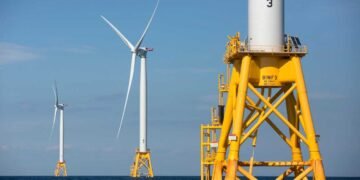
Late last month, the Trump administration issued stop-work orders on five significant offshore wind projects along the East Coast, citing new national security concerns raised by the Defense Department. This decision, affecting billions of dollars in investments, has left project developers and stakeholders in the dark regarding the nature of the alleged threats.
Why It Matters
As energy demand continues to rise, the suspension of these offshore wind projects could lead to increased electricity prices and hinder business investment across various sectors in the United States. With several projects nearing completion and capable of providing energy to over 2.5 million homes, stakeholders argue that the government’s actions could have far-reaching economic consequences.
Key Developments
- On December 22, the Interior Department issued stop-work orders to developers of five offshore wind projects due to classified national security concerns.
- The targeted projects include Vineyard Wind in Massachusetts, Revolution Wind in Rhode Island, Sunrise Wind and Empire Wind in New York, and Coastal Virginia Offshore Wind.
- Dominion Energy has termed the federal government’s national security claims as a facade for a politically motivated agenda against wind energy.
- Some federal court rulings allow three projects to resume construction while legal challenges continue.
Full Report
Administration’s Justification
The Trump administration’s halt to construction stems from classified assessments related to national security risks posed by offshore wind turbines. According to Matthew Giacona of the Interior Department, new classified information indicated potential conflicts with military operations and radar systems. However, the specifics of these findings have not been disclosed, raising concerns regarding transparency.
Developer Responses
Project developers claim they cannot adequately respond to the government’s concerns due to the lack of detailed information. In legal filings, Dominion Energy described the government’s actions as an "irrational campaign" against wind energy. Meanwhile, a spokesperson for the White House characterized wind energy as "the most expensive and unreliable form of energy."
Ongoing Legal Battles
The Administration’s stop-work orders have led to multiple legal challenges from the affected companies. In recent court rulings, judges have permitted construction on three of the wind projects to proceed, emphasizing that the government’s rationale was arbitrary. Legal representatives argue that such interventions appear more aligned with an ideological agenda rather than genuine national security interests.
Economic Consequences
Industry experts warn that halting these projects could escalate electricity prices and deter future business investments in the United States. Erik Milito, president of the National Ocean Industries Association, stated that the uncertainty surrounding these projects undermines investor confidence in the U.S. market.
Context & Previous Events
The projects impacted by the halt are all in advanced stages of development, with Vineyard Wind reportedly 95% complete. The Department of the Interior’s recent actions are part of a broader pattern observed in the Trump administration, which has consistently shown hostility towards renewable energy initiatives. Recently, officials mentioned examining the potential impacts of offshore wind on military readiness, escalating concerns about the future of these projects.
Overall, as the situation unfolds, the lack of clarity surrounding national security risks remains a central issue, highlighting the tension between energy policy and political motives in the current administration.