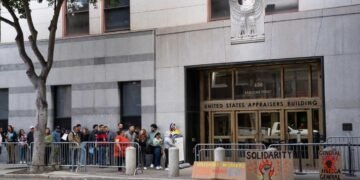























Immigration Courts Facing Closure Amid Judge Layoffs
In a significant move, the Trump administration is set to close the San Francisco Immigration Court by the end of 2025, relocating its staff to the Concord Immigration Court approximately 30 miles away. This action comes amidst increasing pressure on immigration judges to expedite case processing, raising concerns about due process for immigrants.
Why It Matters
The closure of the San Francisco court represents a troubling trend in the current immigration system. With fewer judges available to hear cases, the backlog is anticipated to grow, leading to extended delays for immigrants seeking justice. The situation reflects broader shifts in the administration’s approach to immigration enforcement and judicial oversight.
Key Developments
- The San Francisco Immigration Court, previously among the busiest in the nation, will cease operations by the end of the year.
- The court’s closure surprises many staff and former employees at the Executive Office for Immigration Review (EOIR), who cite fears of reprisal for voicing concerns.
- Current judges are facing an overwhelming backlog of approximately 120,935 cases, which will be transferred to the Concord court or managed remotely.
- Nationwide, nearly 100 judges have been terminated in 2025, reducing the number of available immigration judges significantly.
- There are concerns that future hiring campaigns may not adequately replace the judges who have been let go.
Full Report
Reaction from Immigration Judges
Jeremiah Johnson, a former immigration judge from San Francisco, highlighted a prevailing atmosphere of intimidation within the immigration courts, stating that the message now is clear: adapt or face termination or closure. The ongoing layoffs have reduced the number of judges in the San Francisco court from 21 to just four, leading to operational strains.
Backlogs and Delays
With the impending closure, those seeking asylum or other forms of relief will likely experience delays that stretch into 2030. Immigration lawyer Jordan Weiner noted that these delays not only strain the legal system but also put immigrants at risk of arrests and deportations. Some cases have already been deferred into 2027, exacerbating anxiety within affected communities.
Plans for Hiring New Judges
EOIR has announced intentions to recruit new judges regularly. However, there are questions regarding whether this initiative will sufficiently address the shortage. The agency’s current recruiting campaign is aimed at finding "deportation judges" rather than those with broader immigration experience, which raises questions about potential biases in future rulings.
The Involvement of Military Judges
In a novel approach, the administration has sanctioned the deployment of military lawyers as temporary immigration judges. Preliminary findings indicate that these judges tend to issue removal orders more frequently than their peers, indicating a shift in judicial philosophy.
Context & Previous Events
In the face of significant personnel changes, the administration has already dismissed nearly 100 judges nationwide and reduced the overall number of immigration courts. This trend has intensified the pressure on judges who remain, resulting in widespread disruptions in the immigration adjudication process. As the Concord court itself struggles with backlogs, the broader implications of these changes raise serious concerns about the fairness and effectiveness of the immigration system under current policies.






