






















Mining Tragedy Strikes Sierra Leone Village, Leaving Families in Mourning
Residents of a Sierra Leonean village are grappling with grief after two teenage boys died in a mining accident, underscoring the risks associated with informal gold mining in the region. The community is left to mourn the loss of 16-year-old Mohamed Bangura and 17-year-old Yayah Jenneh, who perished while searching for gold to support their families.
Why It Matters
This tragic incident highlights a growing crisis in Sierra Leone, where children are increasingly abandoning their education to engage in hazardous mining activities. As impoverished families seek additional income, the dangers of unregulated mining pits threaten the lives of young people, revealing a harsh reality where survival often comes at a cost.
Key Developments
- The boys were mining in Nyimbadu, Eastern Province, when the pit they were working in collapsed, marking the third fatal mining accident involving children in four years.
- The local community is struggling with a lack of alternatives, leading many parents to encourage their children to join in mining efforts.
- Child protection activists have raised alarms about the safety risks associated with artisanal mining, as many children now miss school to contribute to household income.
- Government officials claim to address the issue by investing in education but recognize the immediate economic challenges faced by families.
Full Report
Tragic Loss
In Nyimbadu, villagers are mourning the deaths of two teenagers, Mohamed and Yayah. Their bodies lay wrapped in white cloth as community members gathered in sorrow. The boys had left their homes with hopes of earning extra money for their families, but their aspirations were tragically cut short by the collapse of the mining pit.
Dangerous Pursuits
The Eastern Province of Sierra Leone has seen a rise in artisanal gold mining, particularly as diamond reserves dwindle. Miners, including children, dig in unregulated pits that can reach depths of 13 feet, often with little in the way of safety measures. Activists report that many families have no choice but to send their children to mine, as survival depends on the income generated from this perilous work.
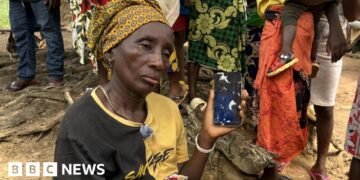
Namina Jenneh, Yayah’s mother, recounted how she had introduced her son to mining but was unaware of his intentions to work at such a dangerous site. Her deep pain was palpable as she scrolled through images of her son, who she relied on to help provide for his siblings. She expressed the helplessness felt by many in her community, where single parents are commonplace.
The Allure of Gold
The mining sites have become alluring for families, as alternative employment opportunities are limited. Komba Sesay, a 17-year-old who aspires to be a lawyer, explained that he spends his days mining to earn money for his education. Despite knowing the risks, including potential pit collapses, he feels compelled to contribute financially.
Roosevelt Bundo, the headteacher of a local school, stated that the struggle extends beyond students; teachers also abandon classes to mine, recognizing that their government salaries cannot compete with earnings from the gold industry.
Government Response
Government representatives assert their commitment to education, investing significantly in the sector. Information Minister Chernor Bah mentioned that funds aimed at promoting schooling and teacher support are a priority. However, he acknowledged the societal challenges that force families into desperate situations.
Community Response
Charity organizations and local activists are striving to redirect children from mining to education but lack viable economic alternatives to make this feasible. The community’s grief extends beyond the loss of two promising young lives; it reflects the diminishing hope for an entire generation.
Context & Previous Events
In the last four years, Sierra Leone has witnessed at least five children die in mining accidents. The growing trend of children forsaking education for artisanal mining has become a pressing concern for local communities and child protection advocates alike, prompting calls for immediate intervention and support.