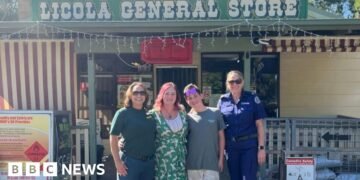























Sale of Licola Puts Future of Tiny Town at Risk
The prospective sale of Licola, a minuscule community in the U.S. with just five residents, is raising concerns about the town’s viability. Local inhabitants argue that this transaction threatens not only their way of life but also the very existence of the town itself.
Why It Matters
This development highlights broader issues surrounding small-town sustainability and community identity. As rural areas face declining populations and economic challenges, the fate of Licola could reflect larger trends affecting similar towns across the nation.
Key Developments
- The current population of Licola stands at just five residents.
- Local residents are expressing fears that the town’s sale may compromise its future.
Full Report
Community Concerns
Residents of Licola are vocal about their worries regarding the sale, stating that it poses a significant threat to the community’s future stability. They argue that losing control of the town’s governance and resources could have dire implications for their daily lives and connections.
Potential Impact on Residents
With such a small population, any changes to Licola’s ownership or management structure could dramatically impact the current residents. The sense of community they cherish may be jeopardized if decisions are made without their input.
Context & Previous Events
Licola, known for its small size and tight-knit community, has faced challenges characteristic of many rural areas. As local economies shift and populations dwindle, the sale of properties within such towns often sparks significant concern among remaining residents over their future viability.