






















Exploring the Victorian Roots of Yule and Christmas Celebrations
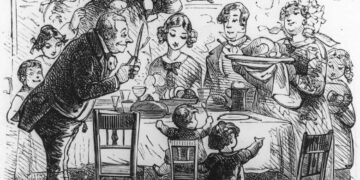
On a brisk December evening in Sandy Spring, Maryland, participants gathered at the Woodlawn Manor for a unique lesson in Victorian-era dance, reflecting the festive essence of 19th-century holiday gatherings. Angela Yau, a historical interpreter, emphasized the rich traditions of Yuletide festivities, illustrating how deeply these celebrations permeated Victorian society.
Why It Matters
This exploration of Yule traditions not only sheds light on the historical roots of modern Christmas celebrations but also highlights the cultural evolution from ancient pagan rituals to contemporary practices. Understanding these origins enriches the significance behind familiar holiday customs, reminding us of their diverse histories and the ways they have transformed over time.
Key Developments
- A recent Victorian dance lesson in Sandy Spring highlighted the blend of historical and modern holiday traditions.
- Yule, originally a pagan mid-winter festival, was crucial for early Scandinavian communities and marked by feasting and communal folklore.
- As Christianity spread, Yule was integrated into Christmas customs, fostering a celebration that retained elements of its pagan predecessors.
- The Victorian era saw a revival of these traditions, significantly influenced by Queen Victoria and Prince Albert.
- Today’s Yuletide celebrations still carry remnants of these ancient rituals, albeit in a more festive and secular form.
Full Report
Cultural Revelations in Sandy Spring
Participants at Woodlawn Manor engaged in 19th-century English country dances, a revival of the merriment associated with Victorian Christmas parties. Angela Yau, dressed in period clothing, offered lessons that highlighted the historical significance of dance and celebration during Yule.
The Origins of Yule
The term “Yule” stems from ancient pagan practices that marked mid-winter solstice celebrations, dating back to pre-Christian Germanic communities, particularly in Scandinavia. These festivities included feasting, communal drinking, and animal sacrifices meant to appease nature spirits, as explained by folklorists. Myths from that era also indicate that oath-swearing was an essential component of Yule, adding a layer of solemnity to the festivities.
Christian Influence and Transformation
With the advent of Christianity in Scandinavia, Yule began to merge with Christmas traditions. The church strategically adapted pagan celebrations, allowing the continuation of certain customs under new Christian nomenclature. By the 900s, both terms were used interchangeably, amalgamating Yule’s rich celebratory aspects with the Christmas narrative focused on the birth of Christ.
The Victorian Revival
The Victorian era marked a significant resurgence of Yule traditions, catalyzed by Queen Victoria and her husband, Prince Albert. Their enthusiasm for traditional German customs played a critical role in the diffusion of Christmas practices across England and its colonies, leading to the establishment of popular symbols such as Santa Claus.
Modern Interpretations of Yule
While contemporary celebrations have largely moved away from animal sacrifices, the elements of ritualistic giving remain. In Scandinavian countries, children leave offerings for mythical figures like nisse and tomte during the winter solstice. Iceland has its own unique blend of tradition, featuring the Yule Lads, who both prank and reward children as part of their folklore.
Context & Previous Events
The Yule festivities initially centered around ancient pagan practices of feasting and communal gatherings, which were adapted by the church into Christmas celebrations as early as the 900s. This blended celebration set the stage for the cultural practices observed during the Victorian era and their lasting impact on modern holiday customs.






