























[A New Era in Syria: One Year After Assad’s Fall]
The Syrian landscape has changed dramatically in the year since President Bashar al-Assad fled to Russia, following a renewed offensive led by the rebel group Hayat Tahrir al-Sham (HTS). Ahmed al-Sharaa, better known by his wartime name Abu Mohammed al-Jolani, has emerged as the interim president amidst a nation still grappling with the ravages of war.
Why It Matters
This shift in power has significant implications not just for Syria, but also for the entire Middle East. As former alliances shift and new ones begin to form, understanding how Sharaa’s leadership might stabilize or further complicate regional dynamics is critical for both foreign governments and local communities.
Key Developments
- Al-Sharaa, once known for his links to jihadist groups, has adopted a more pragmatic approach to governance.
- He has gained international recognition, including a meeting with former President Trump, which resulted in the lifting of a $10 million bounty for his arrest.
- Tensions remain high, particularly between various ethnic and religious groups in Syria, including Sunni, Kurdish, and Druze populations.
- A surge in violence has occurred, notably against security forces tied to the interim government, underscoring ongoing threats from remnants of the Islamic State.
- Reports from international human rights organizations highlight concerns over justice and the treatment of civilians in the year since Assad’s regime collapsed.
Full Report
A Shift in Leadership
The upheaval in Syria became evident last year when rebel forces surged out of Idlib toward Damascus. Al-Sharaa, a figure with a complex history that includes ties to al-Qaeda and a background in leadership of IS, has sought to present himself as a stabilizing force for the nation. His government, predominantly Sunni, struggles to establish authority across Syria amid threats from various armed groups.
International Engagement
Internationally, al-Sharaa’s leadership has proven successful in garnering engagement from critical allies. A meeting in May 2022 between him and former U.S. President Donald Trump marked a significant diplomatic moment, reinforcing the easing of sanctions on Syria. This newfound standing has facilitated a flow of contacts with Western powers, who view al-Sharaa as a potential partner in efforts to stabilize a conflict-weary nation.
Ongoing Violence and Sectarianism
Despite the government’s efforts, sectarian tensions have continued to simmer beneath the surface. Reports indicate that extremist groups remain active, and attacks against government forces have intensified, primarily in areas once under Assad’s control. Human rights organizations have documented continual violence against various groups, raising alarms over the potential for renewed civil conflict.
Challenges Ahead
The interim government faces immense challenges, including economic instability and the need for rebuilding a war-torn nation. The administration’s lack of a comprehensive rebuilding plan leaves local populations reliant on individual efforts for recovery, with dire shortages in essential services reported across affected areas.
Context & Previous Events
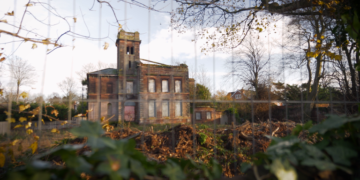
As the civil war in Syria evolved over the past decade, the Assad regime faced increasing opposition from both domestic rebels and international coalitions. The power struggle intensified and resulted in devastating consequences for Syrian society. Major cities, once vibrant urban centers, have turned into shells of their former selves, marked by ruins and mass displacement. Al-Sharaa’s ascendance follows years of turmoil that reshaped the region’s sociopolitical fabric, leading to an uncertain future for millions.
This situation remains fluid, with evolving alliances and potential conflicts still looming on the horizon. The hope for a stable and peaceful Syria is tempered by the complexities of its divided society and lingering hostilities, both internal and external.