






















Severe Flooding in Southern Africa Leaves Over 100 Dead
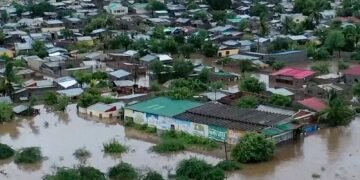
Following relentless rainfall across South Africa, Mozambique, and Zimbabwe, more than 100 lives have been lost due to severe flooding. As local authorities prepare for further adverse weather conditions, the humanitarian crisis is intensifying, putting countless lives at risk.
Why It Matters
The flooding highlights the growing vulnerability of southern African nations to extreme weather events. With substantial damage to infrastructure, homes, and agricultural land, these nations face both immediate and long-term challenges that could exacerbate poverty and hinder recovery efforts.
Key Developments
- Over 100 fatalities reported across South Africa, Mozambique, and Zimbabwe due to flooding.
- In Mozambique, approximately 200,000 people are affected, with significant damage to homes and crops.
- Zimbabwe has confirmed at least 70 deaths, with over 1,000 homes destroyed.
- South African provinces Limpopo and Mpumalanga have seen 19 confirmed deaths.
- More heavy rainfall is expected, prompting authorities to issue heightened weather alerts.
- Evacuations are ongoing, particularly in tourist areas such as Kruger National Park, where 600 individuals have been airlifted to safety.
Full Report
Devastation Across the Region
As the catastrophic rainfall persists, Mozambique has been particularly hard hit, with the World Food Programme stating that more than 200,000 individuals have been adversely affected. Thousands of homes have sustained damage, leaving many facing evacuation. Agricultural losses are significant, with about 173,000 acres of crops—vital staples like rice and corn—rendered waterlogged.
South Africa has reported at least 103 fatalities as of Friday, following an especially harsh rainy season that has continued since late last year. The country’s Institute for Disaster Management and Risk Reduction indicated that many died from drowning, collapsing buildings, or secondary incidents like cholera and lightning strikes. This include at least 19 deaths from flooding in Limpopo and Mpumalanga provinces following severe storms.
Safety Measures and Government Response
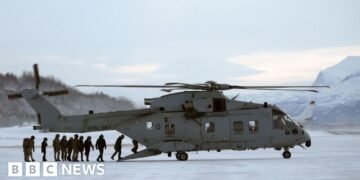
President Cyril Ramaphosa, during a visit to Limpopo, reported that over 15 inches of rain had fallen in less than a week, leaving entire communities decimated. He noted that 36 homes had been completely destroyed in some areas. To facilitate evacuations, the South African military has deployed helicopters to rescue stranded residents, including police officers trapped at flooded border checkpoints.
In the iconic Kruger National Park, which has been temporarily closed to visitors due to washed-out roads and bridges, officials have ensured that no casualties have been reported. However, necessary precautions are being implemented as additional rainfall is anticipated.
Regional Impact
Neighboring nations are also grappling with the aftermath. Madagascar has reported 11 fatalities due to flooding since late November, while Malawi and Zambia are currently experiencing challenging weather conditions. The U.S. Famine Early Warning System has indicated that flooding is either occurring or anticipated in at least seven southern African countries.
Context & Previous Events
The recent flooding in southern Africa is part of a broader pattern of increasingly severe weather events affecting the region, which has been exacerbated by climate change. The current rainy season, deemed unusually severe, has drawn significant attention to the resilience and preparedness of local communities and governments.