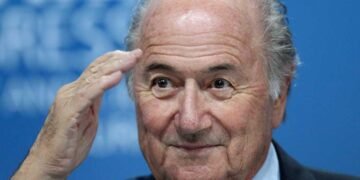























Former FIFA president Sepp Blatter has endorsed a proposed boycott of World Cup matches in the United States, criticizing the actions of President Donald Trump and his administration. The call highlights growing concerns among the international soccer community regarding the suitability of the U.S. as a host for the prestigious tournament.
This boycott, if enacted, could significantly impact attendance and enthusiasm surrounding the World Cup, scheduled to be co-hosted by the U.S., Canada, and Mexico from June 11 to July 19. Blatter’s remarks reflect broader apprehensions over the political climate in the U.S. and its implications for visiting fans.
Key Developments
- Sepp Blatter publicly supports a boycott of the World Cup in the U.S. due to political concerns.
- Mark Pieth, an anti-corruption expert, echoed similar sentiments, advising fans to avoid the event.
- The U.S. is facing scrutiny over its handling of immigration and travel bans, impacting fans from various countries.
- German soccer federation vice president Oke Göttlich has also raised the possibility of a boycott.
Full Report
Blatter’s Call to Action
On a recent update on X, Blatter reinforced the views of Mark Pieth, who suggested fans should “stay away from the USA” for the tournament, emphasizing that they would have a better experience watching from home. Pieth highlighted the risks fans might face upon arrival, particularly if they fail to meet expectations from officials.
Political Concerns and Fan Safety
The international soccer community has expressed apprehension regarding the U.S. due to President Trump’s contentious immigration policies. Concerns were amplified by recent expansions of travel bans that would restrict entry for fans from countries like Senegal and Ivory Coast unless they have prior visas. Additionally, fans from Iran and Haiti are also included in the restrictions set by the Trump administration.
International Reactions
Beyond Blatter and Pieth, Oke Göttlich of the German soccer federation has voiced that it’s time to critically assess the situation and consider a boycott of the World Cup. These statements come against a backdrop of concern about how fans from countries affected by U.S. travel policies may be treated.
Context & Previous Events
Sepp Blatter presided over FIFA from 1998 until he resigned in 2015 amid a corruption investigation. His comments come at a time when international scrutiny of the U.S. is rising, particularly regarding immigration enforcement and policies that have been criticized globally. The upcoming World Cup marks a significant event for soccer fans, but political issues may overshadow the celebration of the sport.






