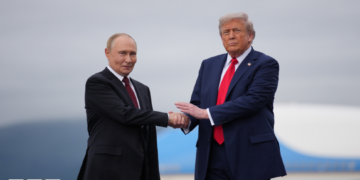























Russia has expressed support for Donald Trump’s recent National Security Strategy, describing it as aligning closely with Moscow’s own perspective. The 33-page report, released by the U.S. administration, raises alarms about Europe facing a potential “civilisational erasure” while notably refraining from labeling Russia as a threat.
Why It Matters
The U.S. National Security Strategy could reshape transatlantic relations, particularly as Europe reassesses its role and response to Russia amid ongoing conflicts. The softer tone towards Russia has sparked concern within the European Union, which may affect collective security approaches and diplomatic efforts regarding the war in Ukraine.
Key Developments
- The strategy does not categorize Russia as a threat, a departure from previous U.S. stances.
- Kremlin spokesperson Dmitry Peskov welcomed the document, noting its alignment with Russia’s views.
- EU officials have critiqued the report, suggesting it mirrors Kremlin rhetoric regarding freedom of expression.
- The report emphasizes the need for renewed “Western identity” and warns of European civilizational decline.
- In contrast, the strategy praises nationalist parties in Europe and encourages their resurgence.
- Democratic lawmakers have voiced concerns that the strategy could damage U.S. foreign relations.
Full Report
Russia’s Response
After the release of the U.S. National Security Strategy, Russia reacted positively. Dmitry Peskov, speaking to state news agency TASS, stated that the adjustments reflected a mutual understanding with Moscow’s vision. He described the strategy as a “positive step,” although he noted that further analysis would be necessary before drawing full conclusions.
Concerns Raised by EU Officials
European reaction has been mixed, with some officials questioning the implications of the new security language. German Foreign Minister Wadephul emphasized that discussions of freedom of expression and societal organization should not be intermingled with security policy. Meanwhile, the European Council on Foreign Relations criticized the document’s rhetoric, suggesting it aligns with extreme right ideologies.
Strategic Priorities
The report outlines several key priorities, including a focus on combating foreign influence and managing mass migration. It also suggests that U.S. policy should resist Europe’s current trajectory, hinting at an interest in fomenting political changes across the continent. It further raises concerns about the financial and military capabilities of European allies, posing questions about their reliability in future alliances.
Security and Military Implications
In a move signaling possible military actions, the strategy includes plans to target drug-trafficking boats in the Caribbean and eastern Pacific while urging increased defense spending from allies like Japan, South Korea, Australia, and Taiwan. This reflects an “America First” approach, aiming to strengthen U.S. geopolitical influence.
Context & Previous Events
Previous U.S. foreign policies have typically addressed Russia as a primary adversary, especially in light of its actions in Ukraine. This shift in tone marks a significant change in U.S. strategy and raises questions about the future of NATO and transatlantic relations as the EU seeks to establish a peace framework in Ukraine.