






















U.S. Policy Toward Venezuela Takes Shape Amid Controversy
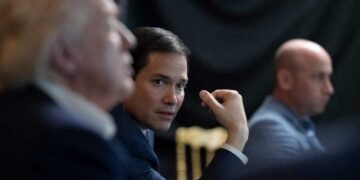
U.S. Secretary of State Marco Rubio emphasized Sunday that while American military operations are ongoing near Venezuela, the nation is not at war. Instead, the U.S. seeks to steer Venezuelan policy through financial and military leverage, particularly against remnants of the regime led by former President Nicolás Maduro.
The situation gains urgency as the U.S. has intensified its "oil quarantine" strategy, deploying naval vessels to monitor activity near Venezuela. Rubio’s remarks come in the wake of a weekend raid that resulted in the capture of Maduro and intensified discussions on U.S. interventions.
Why It Matters
The evolving U.S. strategy in Venezuela raises significant questions about engagement in foreign conflicts, the U.S. role in Latin American politics, and legal boundaries regarding military action. With the potential for domestic political pushback, the situation reflects broader tensions in U.S. foreign policy and legislative powers.
Key Developments
- Secretary of State’s Remarks: Rubio stated the U.S. is not at war but is using financial tactics and military enforcement to influence Venezuela.
- Military Actions: U.S. forces have reportedly engaged against drug trafficking efforts and seized oil vessels, amounting to at least 35 operations since September.
- Political Reactions: Senate Minority Leader Chuck Schumer condemned the recent military actions, citing a lack of congressional authorization and planning to seek a war powers resolution.
- Trump’s Statements: President Trump indicated that actions would continue until significant changes occur in Venezuela’s leadership.
Full Report
U.S. Approach to Venezuela
Rubio, who also serves as Trump’s interim national security adviser, detailed on NBC’s Meet the Press the advantages of financial leverage as opposed to direct military intervention. He asserted, "We want Venezuela to move in a certain direction…it’s in our national interest," alluding to broader geopolitical repercussions. The U.S. military’s role, as Rubio explained, includes aiding the Coast Guard in enforcing sanctions rather than initiating combat operations.
Recent Operations
Since September, U.S. naval forces have engaged in numerous confrontations with what they allege to be drug trafficking operations in the region. Reports indicate that these actions resulted in the deaths of over 100 individuals and the seizure of oil tankers, demonstrating a significant escalation in military involvement under current administration policies.
Congressional Pushback
In light of recent military engagements, Schumer has raised concerns over the need for congressional approval for such operations. He criticized the administration for failing to consult Congress prior to the military intervention and is working on a resolution that would require presidential authorization before any further military action in Venezuela can take place. Schumer highlighted this need as a violation of legal protocols surrounding military engagement.
Context & Previous Events
The discussion about U.S. military strategy follows the arrest of Nicolás Maduro, heightening scrutiny of both the executive actions and legal justifications for military intervention without Congress’s consent. Senator Tom Cotton echoed Rubio’s sentiments on the necessity to pressure Maduro’s remaining allies, particularly highlighting Delcy Rodríguez’s involvement in the current Venezuelan regime. The administration’s rhetoric emphasizes an ongoing strategy of using both military and financial forces to effect change in Venezuela’s governance.






