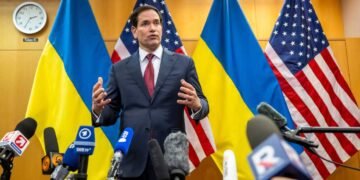























U.S. Officials Engage in Urgent Peace Talks with Ukrainian Delegation in Florida
U.S. Secretary of State Marco Rubio and other officials from the Trump administration are meeting with Ukrainian negotiators in Florida this weekend to advance discussions aimed at ending the ongoing conflict between Ukraine and Russia. This crucial dialogue precedes planned talks with Russian President Vladimir Putin in Moscow, emphasizing the international community’s urgent interest in resolving the crisis.
Why It Matters
This series of negotiations holds significant implications for Ukraine, which continues to face aggressive military actions from Russia following the invasion that began in 2022. The outcome of these discussions could influence the strategic landscape in Eastern Europe, as well as affect U.S.-Russia relations and the stability of the wider region.
Key Developments
- Ukrainian President Volodymyr Zelenskyy announced the resignation of his chief of staff, Andrii Yermak, just before the Florida talks, amid a corruption scandal.
- The Ukrainian delegation includes key figures such as Andrii Hnatov, head of the armed forces, and Andrii Sybiha, the foreign minister.
- Diplomats are revising a previously proposed 28-point peace plan developed during previous negotiations, which was criticized for favoring Russian demands.
- President Trump indicated that Special Envoy Steve Witkoff and Jared Kushner would travel to Moscow for further discussions with Putin about this revised plan.
- Ukraine reported a significant uptick in drone and missile attacks from Russia, further complicating the situation on the ground.
Full Report
Resignation of Chief of Staff
Shortly before the crucial negotiations, President Zelenskyy reported the resignation of Andrii Yermak, who had been the primary negotiator with the U.S. Yermak’s departure follows a search of his home by anti-corruption investigators, as Ukraine contends with rising pressures from internal scandals involving alleged embezzlement from its energy sector.
Updated Delegation
In light of recent developments, the Ukrainian delegation now comprises high-ranking officials, indicating a shift in negotiation strategy. Among them are military and foreign affairs leaders, highlighting the seriousness with which Ukraine approaches these peace talks.
Revision of Peace Plan
Previously criticized for being biased toward Russian interests, the revised 28-point peace plan will undergo scrutiny during these talks. Initial terms included proposals that would limit Ukraine’s military capabilities, restrict its NATO ambitions, and require upcoming elections within a short timeframe, which may trigger resistance from Ukrainian officials.
Ongoing Security Concerns
As negotiations persist, the conflict remains active. Updates from Zelenskyy indicate that recent Russian drone and missile strikes have resulted in casualties and heightened fear among civilians in Kyiv. The Ukrainian leader emphasized the need for international support to bolster military defenses while also seeking a viable path toward peace.
Kazakhstan’s Response
Following Ukraine’s reported attacks on a major oil terminal near Russia’s Novorossiysk, Kazakhstan expressed concern over deteriorating bilateral ties and urged Ukraine to refrain from future actions that could negatively impact relations between the two countries.
Context & Previous Events
This diplomatic engagement comes on the heels of back-to-back meetings between U.S. officials and Ukrainian representatives, including a recent meeting in Geneva that yielded optimistic discussions about a revised peace strategy. The ongoing conflict, which began with Russia’s invasion of Ukraine in 2022, has escalated into a protracted war that continues to claim lives and destabilize the region. The growing urgency for peace is underscored by ongoing military actions and shifting political dynamics within Ukraine’s government.






