






















Surging Political Violence Raises Alarms Across the U.S.
Recent years have seen a troubling spike in political violence in the United States, leading to serious concerns among experts and officials. Prominent figures have faced assassination attempts, while acts of arson and gun violence have infiltrated the political landscape, fostering a climate of heightened fear and division.
Why It Matters
The rise in violent incidents tied to political rhetoric raises critical questions about safety in American democracy. As various political factions become targets, the potential consequences for public discourse and civic engagement are dire. Even as crime rates decline overall, the normalization of political violence poses an existential threat to democratic processes and the rule of law in the nation.
Key Developments
-
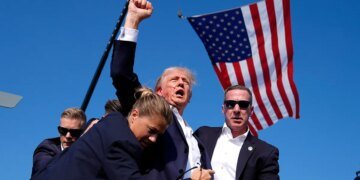
Trump Rally Shooting: During a campaign rally in Butler, Pennsylvania, a shooter opened fire from a rooftop. Former President Donald Trump narrowly escaped injury, while one audience member, Corey Comperatore, was killed as he shielded his family.
-
Assassination of Brian Thompson: The CEO of UnitedHealthcare, Thompson was shot in Manhattan in what authorities view as a politically motivated killing. Suspect Luigi Mangione has pleaded not guilty but is accused of planning the murder to spark a discussion on healthcare reform.
-
Arson Attack on Gov. Josh Shapiro: An arsonist targeted the Pennsylvania governor’s mansion while the Shapiro family was inside, leading to a 25 to 50-year prison sentence for the perpetrator.
-
Charlie Kirk’s Assassination: Turning Point USA founder Charlie Kirk was killed by a sniper during a public speaking event in Utah. The suspect is reportedly motivated by political opposition to Kirk’s conservative views.
- Multiple Shootings in Minnesota: Minnesota lawmakers, including state Rep. Melissa Hortman and state Sen. John Hoffman, have been victims of violent attacks. Hortman was killed in her home, while Hoffman survived an attack nearby.
Full Report
Escalating Concerns
The recent spike in violent incidents has not gone unnoticed. Authorities report that political violence is increasingly becoming a common occurrence, with as many as seven notable assassination attempts or violent acts linked to politics in recent years. Experts like White House spokeswoman Abigail Jackson emphasize that, particularly in the wake of Charlie Kirk’s assassination, there’s a growing need for all Americans to reaffirm their commitment to democratic values such as free speech and respect for one another.
Incident Breakdown
-
Trump Rally Shooting: The incident occurred in July 2024, when a 20-year-old opened fire, resulting in one death and several injuries. The shooter was killed by counter-snipers responding to the attack.
-
Thompson’s Assassination: In December 2024, Brian Thompson was shot while on his way to an investor conference. Investigators uncovered journals from suspect Mangione that outlined motives against the healthcare industry.
-
Shapiro’s Arson Attack: The attack in April 2025 happened on the first night of Passover, resulting in a guilty plea from the arsonist, who attempted to ignite the home while the family was asleep.
- Minnesota Violence: The killings of lawmakers in Minnesota underscore a broader trend of political targeting. The fatal shooting of Rep. Hortman and the attack on Sen. Hoffman reflect fears among public officials regarding their safety.
National Implications
Political violence affects diverse segments of society, impacting individuals across the political spectrum. Experts have warned that tolerance for such acts is increasing, creating a vicious cycle where fear could stifle political engagement and meaningful discourse.
Context & Previous Events
In recent years, U.S. political history has been marked by incidents that led to increased scrutiny. Known events like the attempted assassination of Trump and multiple shootings involving lawmakers contribute to the ongoing debate about security in politics. The case of Charlie Kirk, where crucial remarks about tolerance and values were made after his death, illustrates the personal impact of these violent events on public figures and the broader implications for American democracy.






