






















Refugees from DR Congo Face Dire Conditions in Burundi Camps
Nearly 90,000 refugees who fled violence in eastern Democratic Republic of Congo are enduring harsh conditions in overcrowded camps in Burundi. As the humanitarian crisis deepens, aid organizations report limited access to essential resources such as food and water for those displaced by conflict.
Why It Matters
This situation underscores the severe impact of ongoing violence in eastern DR Congo, particularly on vulnerable populations such as children and women. With the capacity of local aid agencies stretched thin, the risk of disease and malnutrition escalates, highlighting the urgent need for international assistance and intervention.
Key Developments
- MSF (Médecins Sans Frontières) reports treating an average of 200 refugees daily since their arrival.
- The UN’s World Food Programme is ramping up life-saving aid to over 210,000 displaced individuals.
- Concerns are mounting about potential outbreaks of diseases like cholera and malaria.
- The recent capture of Uvira by M23 rebels has exacerbated the crisis, displacing hundreds of thousands.
Full Report
Dire Living Conditions
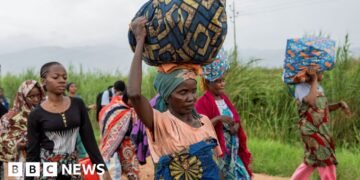
Refugees who have escaped the violence in eastern DR Congo are facing dire circumstances upon arrival in Burundi. These individuals, many of whom are women and children, are found in overcrowded camps where access to adequate food and clean water is severely limited. Reports indicate some refugees have gone without food for days, raising alarms about nutrition and health.
Healthcare Strain
The medical charity MSF has been providing emergency assistance and expressed concern over the deteriorating humanitarian situation. Zakari Moluh, MSF’s project coordinator in Ndava, described the refugees’ state as one of distress, noting that some women have given birth during their escape or at MSF clinics. The organization also warned of potential epidemic diseases spreading among the refugee population.
Response from Aid Agencies
The UN’s World Food Programme is increasing its support for those affected by the conflict, targeting over 210,000 of the most vulnerable individuals. The agency is providing hot meals to newly arrived Congolese refugees at transit centers. However, the WFP cautioned that services across South Kivu province are nearing collapse due to looting, lack of medication, and school closures, emphasizing the urgent need for funding to sustain food aid in the coming months.
Rebel Activity and International Diplomacy
The recent seizure of Uvira by the M23 rebel group has extended their control in eastern DR Congo, following earlier captures of significant cities like Goma and Bukavu. While the rebels announced a withdrawal from Uvira, local officials have disputed this claim. The United States has been actively involved in peace efforts, having brokered an agreement between the Congolese and Rwandan governments, though the M23 rebels were not participants in this deal. They are engaged in a separate peace process facilitated by Qatar.
Context & Previous Events
The humanitarian crisis intensified with the ongoing conflict in eastern DR Congo, particularly affecting South Kivu province. Since December, approximately half a million individuals have been forced to flee their homes due to escalating violence. The international community’s ongoing response and the need for sustained dialogue and assistance remain critical in alleviating the suffering of those affected.