






















Putin’s Skepticism Surrounds U.S. Peace Proposal for Ukraine
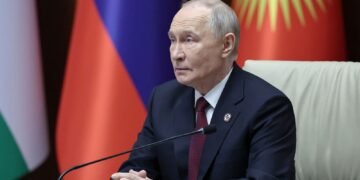
In a recent press conference, Russian President Vladimir Putin addressed the latest U.S. peace proposal regarding the ongoing conflict in Ukraine. While his initial remarks conveyed a willingness to engage in discussions, the underlying tone suggested significant discord remains, particularly around key territorial issues.
Why It Matters
The relationship between Russia and the U.S. hinges significantly on resolving the conflict in Ukraine. With mounting tensions and a pivotal envoy set to visit Moscow, the success or failure of these negotiations could shape international relations and security dynamics for years to come.
Key Developments
- Putin described recognition of Russian sovereignty over Crimea and the Donbas as central to negotiations.
- He indicated readiness for serious discussions but stressed that “discuss” does not equate to “agree” or “compromise.”
- Putin issued a warning to Ukraine regarding demands for a ceasefire, insisting on a withdrawal of Ukrainian troops from contested territories.
- The Kremlin leader reinforced doubts about the legitimacy of Ukrainian President Volodymyr Zelenskyy, implying that a legally binding peace deal is unattainable under current circumstances.
Full Report
Conciliatory Remarks Mask Hardline Position
During his press conference, Putin opened with language aimed at expressing a willingness to find common ground. He acknowledged the U.S. peace proposal, asserting that it could serve as a foundation for future agreements. However, as the discussion progressed to specific contentious issues, his rhetoric shifted towards a more rigid stance, particularly on territorial claims.
Territorial Demands At The Forefront
Putin emphatically described recognition of Russian claims over Crimea and the Donbas as a “key point” in the negotiations. This demand had previously been part of a rejected 28-point peace plan, which was deemed unacceptable by Ukraine. Despite adjustments in the proposal, it is evident that Russia is intent on reinstating this requirement, indicating a significant divide between both parties.
Warning on Ceasefire Conditions
Further complicating the dialogue, Putin asserted that for a ceasefire to occur, Ukrainian forces must withdraw from territories they currently control. He stated, “If they don’t leave, then we shall achieve this by armed means,” suggesting that military action remains a viable option for Russia if diplomatic resolutions fail.
Concerns Over Legitimate Leadership
Complicating future negotiations, Putin reiterated his long-standing claims regarding the legitimacy of President Zelenskyy’s administration. He argued this undermines the possibility of reaching a legally binding agreement, positioning the lack of a peace plan as an issue tied to legal invalidity rather than substantive dialogue.
Context & Previous Events
Putin’s comments follow an intense period of conflict in Ukraine, characterized by territorial disputes and ongoing military engagements. The U.S. proposal has evolved in response to earlier criticisms, with key territorial acknowledgments pivotal in previous drafts. However, it is apparent that without significant shifts from both parties, a path to effective negotiation remains precarious.