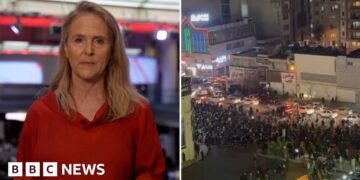























Unrest in Iran: Protests Continue Amid Economic Turmoil
Anti-government protests in Iran have entered their 13th consecutive day, fueled by widespread discontent over the nation’s economic struggles, particularly the devaluation of the Iranian currency. The demonstrations, which first erupted in Tehran on December 28, reflect deeper issues affecting the populace.
Why It Matters
The ongoing protests highlight the growing frustration among Iranians regarding economic mismanagement and increasing hardship. The unrest not only poses a challenge to the Iranian government but also raises questions about the future stability of the region. As financial pressures mount, the potential for a larger movement against authoritarian rule becomes more significant.
Key Developments
- Protests began in Tehran on December 28, spurred by the rapidly depreciating Iranian currency.
- The demonstrations have spread across various cities, demonstrating widespread public dissatisfaction.
- Reports from diplomats, including Caroline Hawley, emphasize the underlying economic factors driving the unrest.
Full Report
Continuing Unrest
The protests are characterized by calls for change from various segments of society, united by their frustrations regarding economic policies. As the value of the Iranian rial plummets, many citizens have expressed their anger toward government officials, whom they blame for worsening financial conditions.
Responses to Protests
In response to the protests, authorities have deployed increased police presence in affected areas, aiming to maintain order and limit the scale of demonstrations. The situation is being closely monitored by both local and international observers, as ongoing protests could lead to further instability.
Context & Previous Events
The protests were triggered by the significant decline in the Iranian currency, an issue that has been exacerbated by longstanding economic challenges faced by the nation. The demonstrations mark a notable point in Iran’s socio-political landscape, where economic grievances have historically served as a catalyst for protests against the government.