






















[article_title]
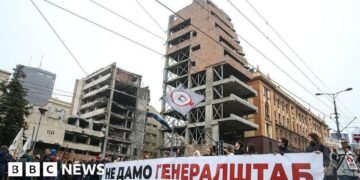
A new construction project has emerged, intending to utilize the site of the former defense ministry, which was destroyed during NATO bombings in 1999. This initiative aims to rebuild and revitalize an area that has remained a symbol of conflict for over two decades.
The significance of this project extends beyond mere reconstruction; it carries implications for regional stability and the rebuilding of trust in the community. As the area transitions from ruins to a new development, it reflects a broader movement toward reconciliation and growth in the wake of past hostilities.
Key Developments
- The project plans to construct new facilities on the site of the bombed ministry.
- It seeks to bring economic revitalization to a historically significant area.
- Community leaders are optimistic about the potential for job creation and local investment.
Full Report
Project Overview
Officials have announced plans to commence construction on the site of the defense ministry that was bombed by NATO in 1999. This project is anticipated to serve as a catalyst for economic rejuvenation in the region, which has struggled with the scars of conflict for many years. Local authorities are advocating for the initiative, arguing that it represents a forward-looking approach to rebuilding and healing.
Community Reactions
Community leaders have expressed strong support for the project, noting that it could create job opportunities and foster local investment. The sentiment among residents is generally positive, with many viewing the development as a chance for renewal and an end to a long-standing chapter of hardship.
Support from Officials
Local government officials have outlined their commitment to ensuring the project’s success. They believe that revamping the site can enhance public infrastructure and attract new businesses, further embedding a sense of progress within the community.
Context & Previous Events
The site of the proposed project holds historical importance due to its destruction during NATO’s military intervention in 1999. The bombing was a pivotal moment in the region’s history, marking a time of significant conflict and turmoil. Since then, the area has struggled to break free from the remnants of its past, making this new initiative both timely and crucial for future developments.