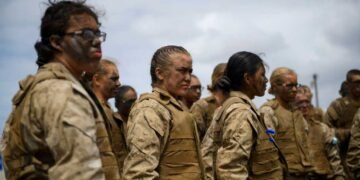























Pentagon Reviews Integration of Women in Combat Roles
The Pentagon has initiated a six-month review focusing on the effectiveness and readiness of women serving in ground combat positions. This assessment follows a decade since the Department of Defense removed all restrictions on female participation in combat roles and aims to evaluate various performance metrics and the overall impact on military effectiveness.
Why It Matters
This review comes at a critical juncture for the U.S. military as it grapples with ongoing discussions about gender integration in combat roles. Understanding the effectiveness of female soldiers and Marines in traditionally male-dominated combat specialties has implications for military policy, operational readiness, and the future of gender equality in the armed forces.
Key Developments
- The Undersecretary of Defense for Personnel, Anthony Tata, has directed Army and Marine leaders to supply data on various metrics relating to ground combat units.
- Information requested includes readiness, training outcomes, performance statistics, and casualty figures.
- The memo specifically emphasizes the collection of data on all aspects of individual readiness and deployment ability, including physical and medical evaluations.
- Pentagon press secretary Kingsley Wilson stated that the review is intended to ensure that operational standards remain uncompromised and gender-neutral.
- Defense Secretary Pete Hegseth reiterated that physical standards for combat roles must be high and uniform regardless of gender.
- Current statistics reveal approximately 3,800 women in ground combat roles within the Army and around 700 in the Marine Corps, with over 150 women completing Ranger training.
- Critics, including retired Army Colonel Ellen Haring, see the review as a potential method for excluding women from combat positions.
Full Report
Review Objectives
The Pentagon’s memo outlines a formal inquiry into the integration of women in combat roles, seeking to evaluate the operational effectiveness of these personnel ten years after policy changes. Commanders are asked to submit relevant data to the Institute for Defense Analyses, emphasizing a thorough analysis of readiness and deployment metrics.
Standards and Positions
In communications with NPR, Wilson conveyed that the military’s standards for combat positions will remain elite and gender-neutral, designed to ensure that no political agendas interfere with military effectiveness. Hegseth emphasized that any alteration of physical standards specifically implemented to assist female candidates should be reverted to their original requirements. While he previously opposed women in ground combat, his more recent statements allow for their participation as long as they meet equivalent standards to their male counterparts.
Opinions on Women in Combat
Supporters of women in combat argue that existing data indicates women can perform effectively in ground combat roles, even surpassing male counterparts in certain assessments. However, findings from a controversial Marine Corps training exercise in 2015 suggested that mixed-gender units were less effective overall compared to all-male groups. These results have been challenged by advocates who argue for more attention to individual achievements rather than unit-wide performance metrics.
Context & Previous Events
In 2015, then-Secretary of Defense Ash Carter announced that women would be permitted to serve in all ground combat positions, asserting the need to utilize the full talent pool of the nation. This policy decision was highly contentious, particularly within the Marine Corps, where initial reactions indicated significant skepticism about the potential efficacy of gender-integrated combat units.
Despite the lifting of restrictions, the military continues to navigate the complexities of integrating women within combat roles, balancing operational readiness with ongoing debates surrounding gender policies in the armed forces.






