






















Israeli Military Demolitions Expand in West Bank Camps Amid Ongoing Conflict
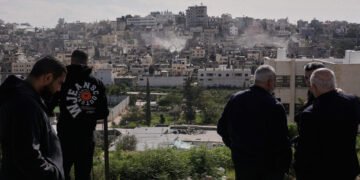
Israeli military bulldozers demolished homes in the Nur Shams refugee camp in the West Bank on Wednesday, marking a continuation of a year-long military operation aimed at displacing residents. This initiative has resulted in the destruction of hundreds of structures, raising concerns over humanitarian impacts and escalating tensions in the region.
The situation in the West Bank has wider implications, as Israel’s actions could signify a prolonged military presence in the region, further complicating the already fragile dynamics between Israelis and Palestinians. The dismantling of homes not only threatens livelihoods but also exacerbates the humanitarian crisis, with tens of thousands now displaced.
Key Developments
- Israeli forces have demolished or heavily damaged at least 850 structures in northern West Bank refugee camps over the last 11 months.
- Operation “Iron Wall,” initiated by Israeli troops in early 2025, continues to lead to the largest displacement since 1967.
- Tens of thousands of displaced residents are currently living in cramped conditions with relatives or in public buildings.
- Israel claims the demolitions are critical for military operations and the dismantling of militant infrastructure, citing ongoing threats in the area.
- Residents like Motaz Mohor express deep emotional pain as they witness the loss of their homes, with many recounting previous displacements from historical events.
Full Report
Ongoing Demolitions
The Israeli military’s latest actions in Nur Shams are part of a broader operation that has seen extensive demolitions across various northern West Bank camps, including Jenin and Tulkarem. Human Rights Watch’s satellite analyses report significant structural damage, with Israeli forces targeting areas deemed necessary for operational needs. As they carry out these demolitions, troops assert that they have allowed residents to retrieve their belongings beforehand.
Human Impact
Local residents are reacting with despair as they witness the destruction of their homes. Motaz Mohor lamented the emotional toll of losing a family home yet again, reflecting on how his grandparents had previously fled their original homes during the 1948 conflict. Now displaced alongside 25 relatives, he voiced concern for their future, emphasizing the deep personal connection to their residence.
Ahmed al Sayyes, also facing demolition of his home, expressed shock and sorrow over the situation, highlighting the profound difficulties and uncertainties that lie ahead for those affected. With shelter options dwindling, many families are finding themselves in vulnerable positions, further intensifying the humanitarian crisis in the region.
Context & Previous Events
The ongoing military operation in the West Bank, labeled “Operation Iron Wall,” commenced in early 2025. Over the course of nearly a year, it has resulted in unprecedented displacement and home demolitions, altering the living conditions for tens of thousands since Israel’s occupation of the West Bank in 1967. Historical events, such as the Nakba in 1948, continue to resonate with residents who have faced multiple displacements over generations.






