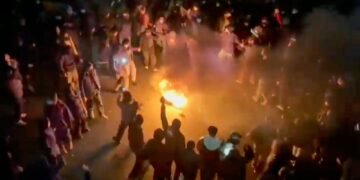























Rising Death Toll in Iran Protests Sparks International Concern
Authorities report that the death toll from ongoing anti-government protests in Iran has surged past 500, heightening fears of escalating violence as the situation remains volatile. The unrest, which initially erupted over the plummeting value of the rial, signifies a major challenge to the Iranian regime and has prompted discussions of international intervention.
Why It Matters
The protests in Iran have become more than a reaction to economic distress; they represent widespread dissatisfaction with the government’s handling of issues ranging from political repression to economic mismanagement. As violence escalates and more citizens lose their lives, the international community is closely monitoring the situation and considering potential responses.
Key Developments
- Death Toll: The Human Rights Activists News Agency has reported at least 544 fatalities, an increase from the previous figure of 116. There are additional reports of 579 deaths pending verification, which could raise the total to 1,123.
- Communications Blackout: A significant information blackout persists, complicating the gathering of details about the protests and the government’s response across the 31 provinces of Iran.
- International Reactions: U.S. officials, including President Donald Trump, are evaluating various military options in response to the situation. Trump has stated that any Iranian retaliation could prompt severe consequences for the country.
- Arrests: Over 10,681 individuals have been detained, according to the non-governmental organization, with many reportedly suffering injuries from live ammunition and pellet gunfire.
Full Report
Growing Violence
The protests began at the end of December and have continued for nearly three weeks, primarily driven by a sharp decline in the value of the rial currency. The unrest has escalated significantly, becoming the most substantial challenge to the Iranian regime in years. State television has documented the grim reality in Tehran, showing body bags in morgues and claiming these individuals were victims of "armed terrorists."
U.S. Military Options
President Trump revealed to reporters that his administration is considering multiple strong responses to the unrest in Iran. He warned that if the Iranian government continues its violent crackdowns, the U.S. would retaliate "harder than ever before.” This rhetoric follows a conversation between U.S. Foreign Secretary Marco Rubio and Israeli Prime Minister Benjamin Netanyahu, where they reportedly discussed the potential for a U.S. intervention.
Iran’s Government Response
In response to the protests, Iranian President Masoud Pezeshkian has claimed that foreign-affiliated "terrorists" are behind the unrest and warned that the government is prepared to listen to the grievances of its citizens. However, he characterized the protests as attempts to sow disorder and urged civilians to distance themselves from what he labeled as "rioters and terrorists."
Iranian Parliament’s Reaction
The Iranian parliament has voiced strong opposition to U.S. actions, with Speaker Mohammad Baagher Qalibaf declaring that any military action against Iran would make U.S. forces and Israeli positions "legitimate targets." The parliament echoed sentiments of hostility toward the U.S., signifying the tense atmosphere currently dominating Iranian politics.
Context & Previous Events
The anti-government protests in Iran have been occurring amid ongoing economic challenges and dissatisfaction with political repression. Various factions within the Iranian government have attempted to blame external forces for the mounting unrest, framing it as a plot against the state. These developments occur against a backdrop of escalating tensions between Iran and the U.S., including threats of economic sanctions and military responses over Iran’s regional policies.