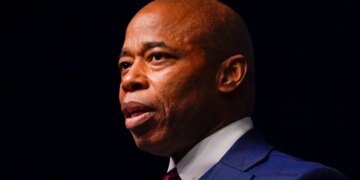























Adams Signs Orders to Combat Antisemitism and Challenge BDS Movement
Outgoing New York City Mayor Eric Adams has signed two executive orders aimed at addressing rising antisemitism while restricting city funds from being linked to the Boycott, Divestment, and Sanctions (BDS) movement. These directives arrive amidst a contentious political landscape in the city, particularly with the impending transition to Mayor-elect Zohran Mamdani, who endorses the BDS initiative.
Why It Matters
The actions taken by Adams highlight a significant ideological divide between current and incoming administration perspectives on Israel and antisemitism. The mayor’s orders are part of a broader strategy to uphold supportive relations with Israel while enhancing security measures for religious communities in New York. This clash could impact the direction of vendor relationships and investment strategies, affecting both financial allocations and communal safety.
Key Developments
- Executive Orders Signed: Adams enacted two orders focused on countering antisemitism and preventing city funds from supporting BDS.
- Investment Restrictions: One order prohibits city business and pension fund decisions that discriminate against Israel, potentially at odds with Mamdani’s stance.
- Enhanced Security: The second order mandates greater protective measures from the NYPD for synagogues and other places of worship.
- Political Tensions: Mamdani’s administration, which begins on January 1, could choose to reverse these executive orders.
- Recent Protests: The orders come in response to protests that included antisemitic rhetoric targeting Jewish institutions.
Full Report
Executive Orders
On Wednesday, Eric Adams signed two executive orders designed to combat antisemitism while officially banning city funds from being associated with the BDS movement. During a conference in New Orleans, Adams emphasized the importance of a strong relationship between New York City and Israel. The orders are framed as part of an ongoing initiative to protect Jewish communities in the city amid rising antisemitic sentiments.
Restrictions on Investments
The first executive order prohibits city business and pension investments that discriminate against Israel, a notable challenge to Mamdani, who has expressed support for the BDS movement. In recent remarks on MSNBC, Mamdani defended BDS as a necessary measure to push Israel toward compliance with international law, suggesting that his administration might align with non-violent movements if elected.
Enhancements in Security
The second order focuses on security for synagogues and places of worship, signaling a commitment to safeguard religious freedoms and protect against harassment. Adams stated that these measures were essential to uphold the rights of New Yorkers to practice their faith without fear.
Political Reactions
Following the signing of the orders, Mamdani’s team did not respond to inquiries about whether he would uphold or repeal them when he takes office. Meanwhile, Adams has publicly warned New York’s Jewish community about their safety following Mamdani’s electoral victory, highlighting wider concerns amid a climate of rising hate.
Context & Previous Events
The timing of these executive orders aligns with recent protests in New York, where demonstrators have chanted statements deemed antisemitic targeting Jewish establishments. Last week, thousands rallied at Bryant Park, voicing support for Gaza, which included inflammatory slogans. This prompted Adams’s administration to implement these new directives as safeguards against further antisemitic actions and rhetoric in the city.
In summary, Adams’s executive actions represent a critical stance on antisemitism amid political shifts in New York City. As the Adams administration prepares for its transition with Mamdani, the decisions made now could significantly shape the future of city policies related to Israel and Jewish community safety.






