






















Nigeria Apologizes to Burkina Faso Following Military Jet Incident
Nigeria’s Foreign Minister Yusuf Tuggar has extended a formal apology to Burkina Faso after a Nigerian military jet inadvertently entered the nation’s airspace, leading to the detention of 11 servicemen. The incident marks a significant diplomatic debacle amid heightened tensions in the Sahel region, complicating Nigeria’s relationship with its neighbors.
Why It Matters
This incident underscores the fragile nature of regional diplomacy in West Africa, particularly among the Alliance of Sahel States (AES), which includes Burkina Faso, Mali, and Niger. As these countries navigate issues of sovereignty, military influence, and relations with external powers, any misstep can escalate into broader conflicts, necessitating careful management of diplomatic ties.
Key Developments
- Yusuf Tuggar officially apologized for the unauthorized airspace violation and the subsequent detention of Nigerian personnel.
- The detained servicemen have reportedly been released and are on track to return to Nigeria.
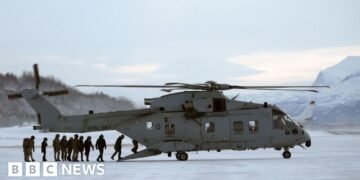
- The Nigerian Air Force confirmed that the military jet developed a technical issue while en route to Portugal.
- The AES condemned the incident as an “unfriendly act” and heightened their air readiness in response.
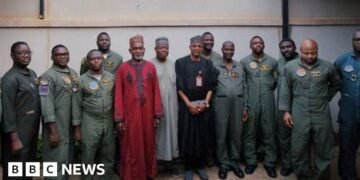
- Tuggar visited Burkina Faso’s capital, Ouagadougou, to discuss the situation with military leader Captain Ibrahim Traoré.
- The two nations agreed on the importance of ongoing consultations to bolster bilateral cooperation and integration.
Full Report
During a recent visit to Ouagadougou, Tuggar addressed the situation directly, acknowledging “irregularities” in airspace authorization that resulted in the unfortunate incident. He expressed regret over the misunderstanding and emphasized a commitment to better communication in the future. The spokesperson for Tuggar confirmed the positive spirits of the detained personnel upon their release but did not disclose when they would return to Nigeria.
According to the Nigerian Air Force, the military jet was forced to land in Burkina Faso due to technical difficulties while on its way to Portugal. The unexpected landing prompted a swift reaction from the AES, which logged formal protests and declared their air forces were on maximum alert. The group authorized its member states to take necessary actions against any aircraft infringing upon their airspace.
The three AES nations, led by military regimes, have distanced themselves from the Economic Community of West African States (Ecowas) and have increasingly aligned with Russia, contrasting sharply with most Ecowas members who maintain close ties with Western nations. This divergence in alliances accentuates the geopolitical complexities in the Sahel region, wherein military-led governments seek new partnerships while navigating historical tensions.
Context & Previous Events
Recent developments in West Africa have seen the AES countries pull out of Ecowas, which indicates a significant shift in regional dynamics. This incident of airspace violation exacerbates the ongoing tensions as these nations attempt to solidify their positions amidst external pressures and internal stability challenges.