























Nigeria Grants Asylum to Guinea-Bissau Presidential Candidate Amid Growing Political Tensions
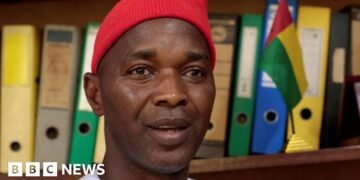
Nigeria has granted asylum to Fernando Dias da Costa, a presidential candidate from Guinea-Bissau, just days after a military coup disrupted the announcement of election results. The asylum reflects serious concerns for the safety of Dias, who has been under protective custody at the Nigerian embassy following threats against him.
Why It Matters
The events in Guinea-Bissau highlight ongoing political instability in the West African nation, which has a long history of coups and military influence. This asylum case raises questions about the future of democracy in Guinea-Bissau and the international community’s role in supporting political leaders and processes in tumultuous regions.
Key Developments
- Nigeria’s Foreign Minister Yusuf Tuggar confirmed the asylum granted to Dias, emphasizing Nigeria’s commitment to democratic ideals.
- The military coup, which took place just three days after the presidential election held on November 23, led to the suspension of vote counting and reporting.
- Fernando Dias da Costa was the main challenger to incumbent Umaro Sissoco Embaló, who has fled the country following the coup.
- The Economic Community of West African States (Ecowas) has been actively mediating the situation, calling for a return to constitutional order.
- The electoral commission has stated that armed individuals destroyed essential materials and systems needed to finalize election results.
Full Report
Asylum Granted
Fernando Dias da Costa has been granted asylum and is currently receiving protection at the Nigerian embassy in Bissau amid threats to his safety. As a candidate from the Party for Social Renewal, Dias was the principal opponent to the re-election of Umaro Sissoco Embaló. Following the coup, Dias stated he narrowly escaped arrest at his campaign headquarters.
Military Coup and Arrests
The military takeover occurred shortly after the elections, with armed forces suspending the electoral process and preventing the release of results. The electoral commission has reported vandalism, including the destruction of records and the seizure of computers vital for compiling voting data.
Ecowas Involvement
A delegation from Ecowas has intervened, urging military leaders to release the election results and step down from power. The discussions were described as heated but productive. The Ecowas leaders have also decided to suspend Guinea-Bissau from any decision-making bodies until a constitutional order is restored.
Allegations and Speculations
Speculation surrounds the motives for the coup, with some suggesting it may have been staged. Senegal’s Prime Minister Ousmane Sonko and former Nigerian President Goodluck Jonathan have both brought forth claims of a fabricated crisis. Meanwhile, allegations have been made that Embaló may have orchestrated events to preemptively squash dissent if he faced defeat in the elections.
Current Conditions
Tensions remain elevated in the capital, Bissau, with reports that armed militias have invaded the headquarters of the PAIGC party, which played a vital role in ending Portuguese colonial rule. The party leader, Domingos Pereira, was arrested on the day of the coup, fueling further unrest.
Context & Previous Events
Guinea-Bissau has a tumultuous history characterized by at least nine coups or attempted coups over more than fifty years. Since gaining independence from Portugal in 1974, the military has maintained significant influence in the country’s political sphere. Following the coup, Gen Horta N’Tam has been sworn in as the new transitional leader, set to govern for one year.